Tattoo and PMU removal in your clinic or cosmetology practice
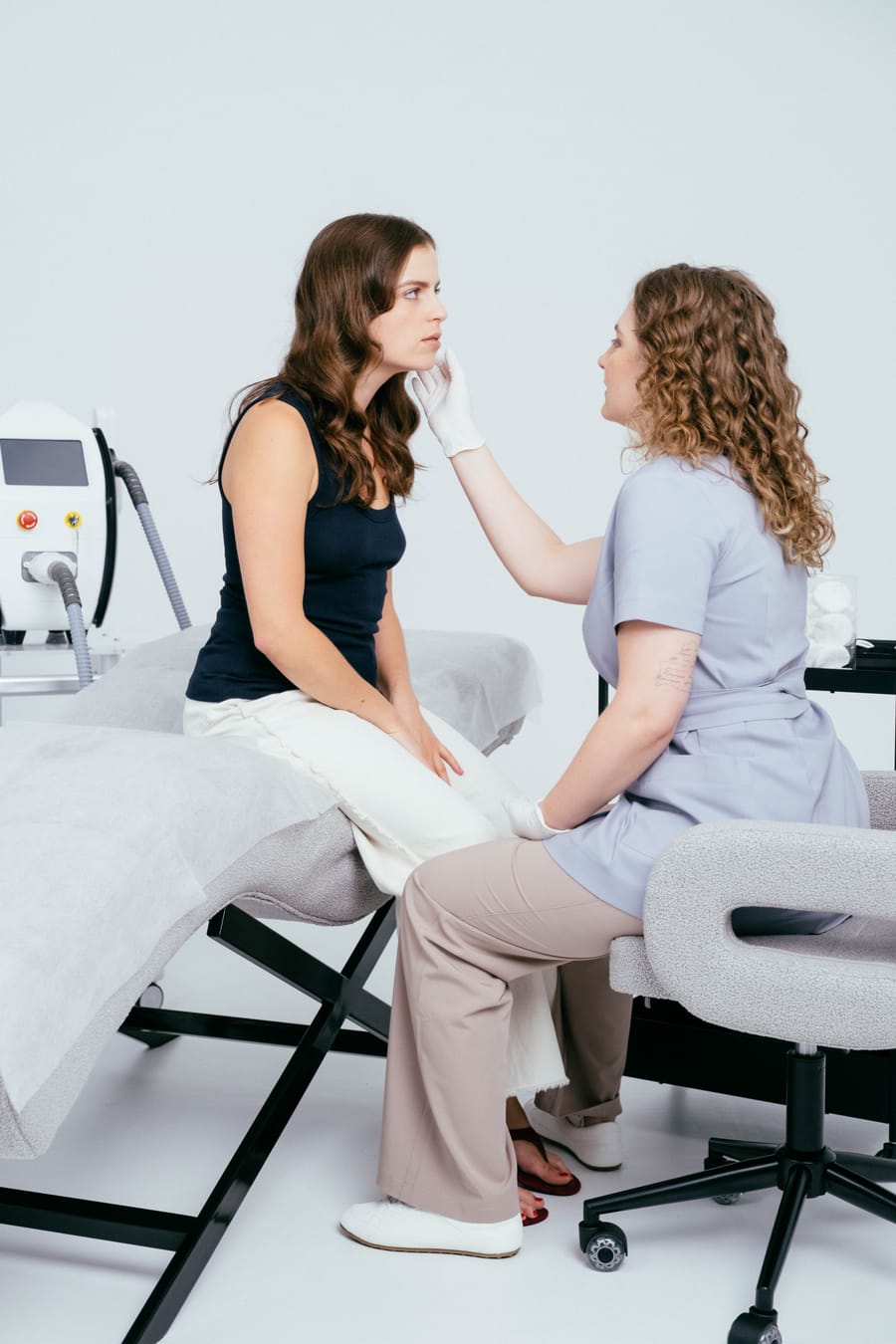
You have a treatment room and clients who keep coming back. What is missing is the laser and hands-on practice in removing tattoos and permanent make-up. A Modestic™ laser comes with training for your team, led by practitioners.
Clients ask about removal, and no one on the team does it
They come in for other treatments and ask about an old tattoo or permanent make-up that went wrong. You send them elsewhere, even though you have the room and the space in the schedule.
What we do about itTeam training is included with the laser. It covers removing PMU from brows, lips and eyeliner as well as tattoos, with practice on models, and for 12 months afterwards the team has access to an online course.
A picosecond laser from a known brand costs several hundred thousand złoty
Candela PicoWay costs about 550,000 zł, WonTech PICOCARE about 450,000 zł. At that price a new treatment works for a long time just to pay for the device.
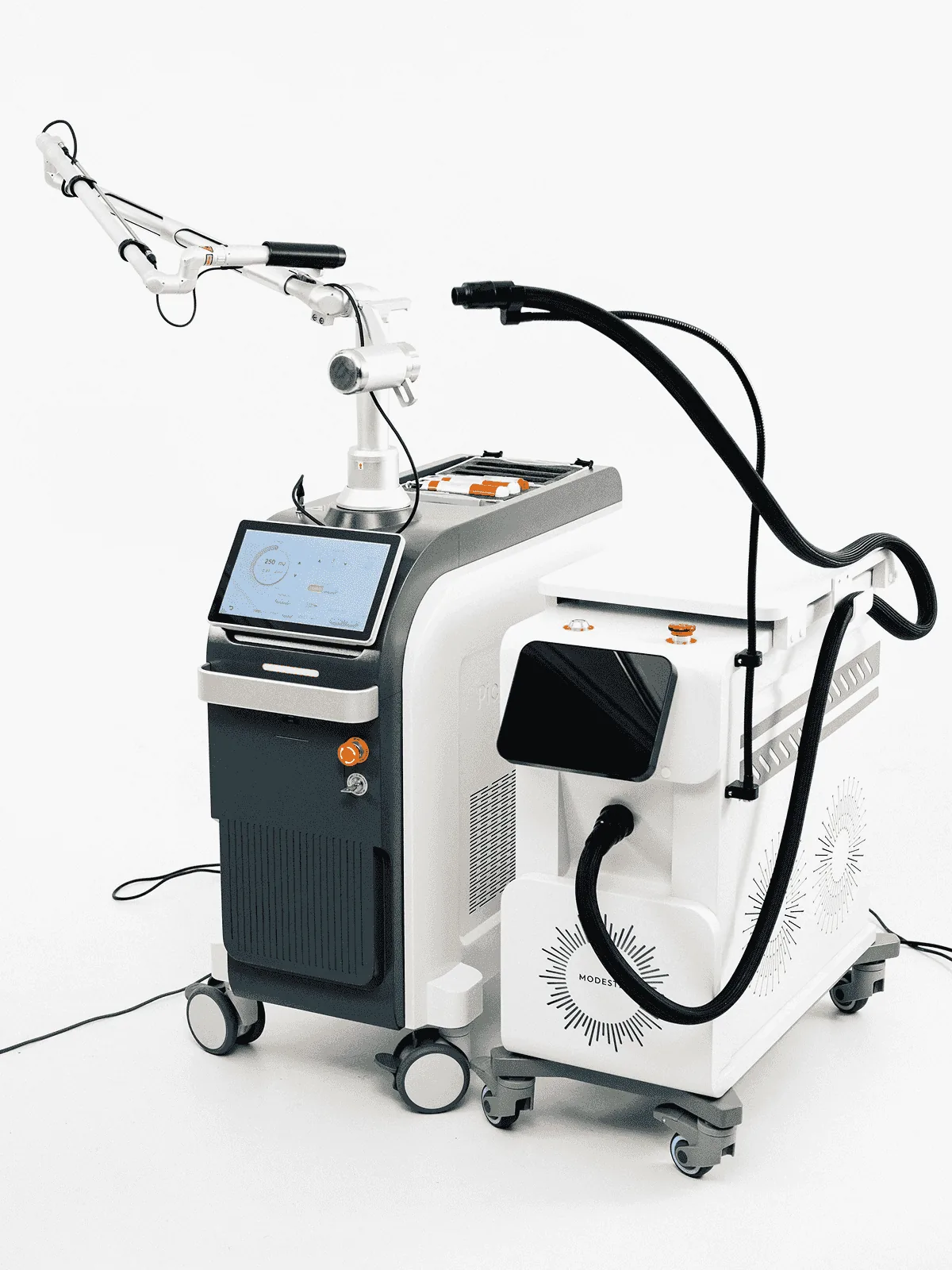
What we do about itModestic™ Pico is a real picosecond laser: the same MOPA architecture and the same 450 ps pulse at 1064 nm, at 297,000 zł. Cheaper devices with „pico" in the name are usually nanosecond lasers, which is why we compared all three from the manufacturers’ documents.
A new treatment has to earn its place in the schedule
Before removal gets slots in the schedule, you need to know how many sessions a day cover the laser instalment and how much is left over.
What we do about itIn the calculation below you choose the number of sessions a day and see the monthly revenue next to each laser’s instalment.
Who on the team may operate the laser
A clinic employs doctors, cosmetologists and permanent make-up specialists, and when buying the question comes back of which of them may perform the treatment.
What we do about itThe manufacturer’s instructions for use give the answer. How to read them, and what to ask the supplier before the team starts work, is on our regulations page.
Choosing a laser
Pico, Edge or Ultra
A clinic that also wants to take the hardest cases usually chooses Pico. Edge works well when black ink predominates, and Ultra when removal is to be one of many treatments in the schedule.
Pigmented lesions covered by the laser’s instructions
Besides tattoo removal, the manufacturer’s instructions list treatment of pigmented skin lesions. Each one is preceded by a physician’s assessment.
Café au lait macules
Light brown, flat patches on the skin, usually present from childhood.
Sun spots and age spots (lentigo)
Brown patches on sun-exposed skin, usually on the face and hands.
Melasma
Symmetrical brown pigmentation of the face, linked among other things to sun and hormones.
Nevus of Ota
A blue-grey patch, most often around the eye and on the cheek, with pigment in the deeper layers of the skin.
Blue nevus
A blue-grey lesion with pigment in the dermis.
Speckled nevus
A light brown background with small, darker spots.
Seborrhoeic keratosis
A benign brown lesion with a waxy, “stuck-on” surface.
Hyperpigmentation
Areas of skin darker than the surrounding skin, with varying causes.
A physician’s assessment comes first
According to the manufacturer’s instructions, the physician takes the history, rules out contraindications and assesses the lesion before the first pulse.
History and examination of the lesion
Ruling out contraindications
Photographic documentation and a record of parameters after every treatment
Contraindications in the instructions include a history of skin cancer, including melanoma, multiple dysplastic naevi, pregnancy and breastfeeding, photosensitising medication, a tendency to keloids, and sun exposure or tanning in the 3–4 weeks before treatment.
Interval between treatments
6–10 weeks
Matching the wavelength to the colour of the lesionThe wavelength is chosen by the colour of the lesion. The physician sets the parameters.
The numbers
A few sessions a day against the instalment
Choose how many removal sessions a day will fit in the treatment room’s schedule, and see the monthly revenue and what is left after each laser’s instalment.
Sessions a day, 20 working days
Revenue27,000 zł60 × 450 zł
instalment against monthly revenueInstalmentLeft over
This calculation is for illustration only. It is not an offer within the meaning of Article 66 of the Polish Civil Code, nor an assurance that the amounts shown will be achieved, and Modestic gives no guarantee of them. It shows revenue, not profit: from the amounts left after the instalment you still have to deduct, among other things, the annual inspection, materials, taxes and salaries. We assumed 20 working days a month and 450 zł per session, the price of removing a tattoo the size of a CD case. The clinic or practice sets the number of sessions and the treatment prices, and the instalment depends on the lease terms (term, down payment, buyout) and the financier’s decision.
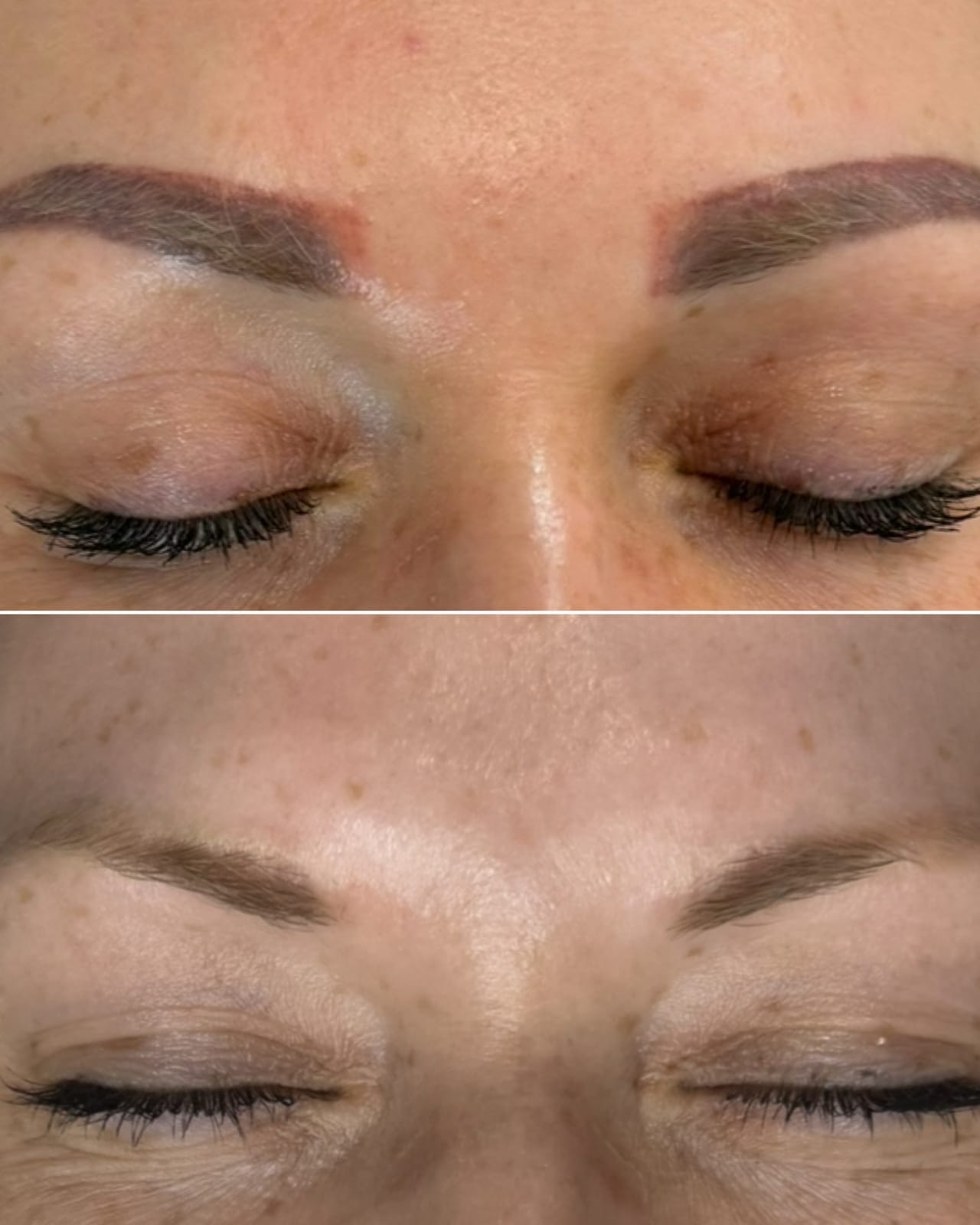
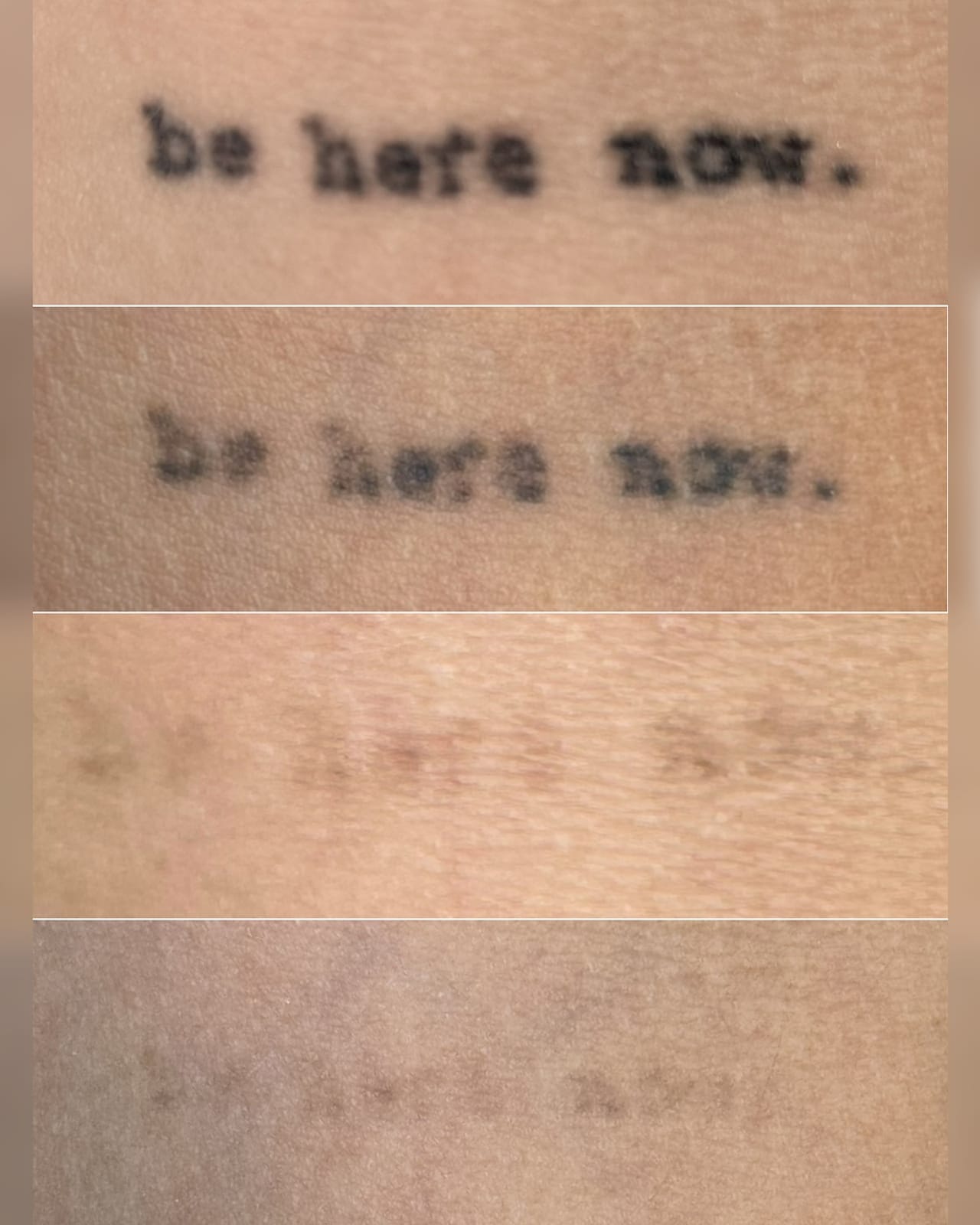
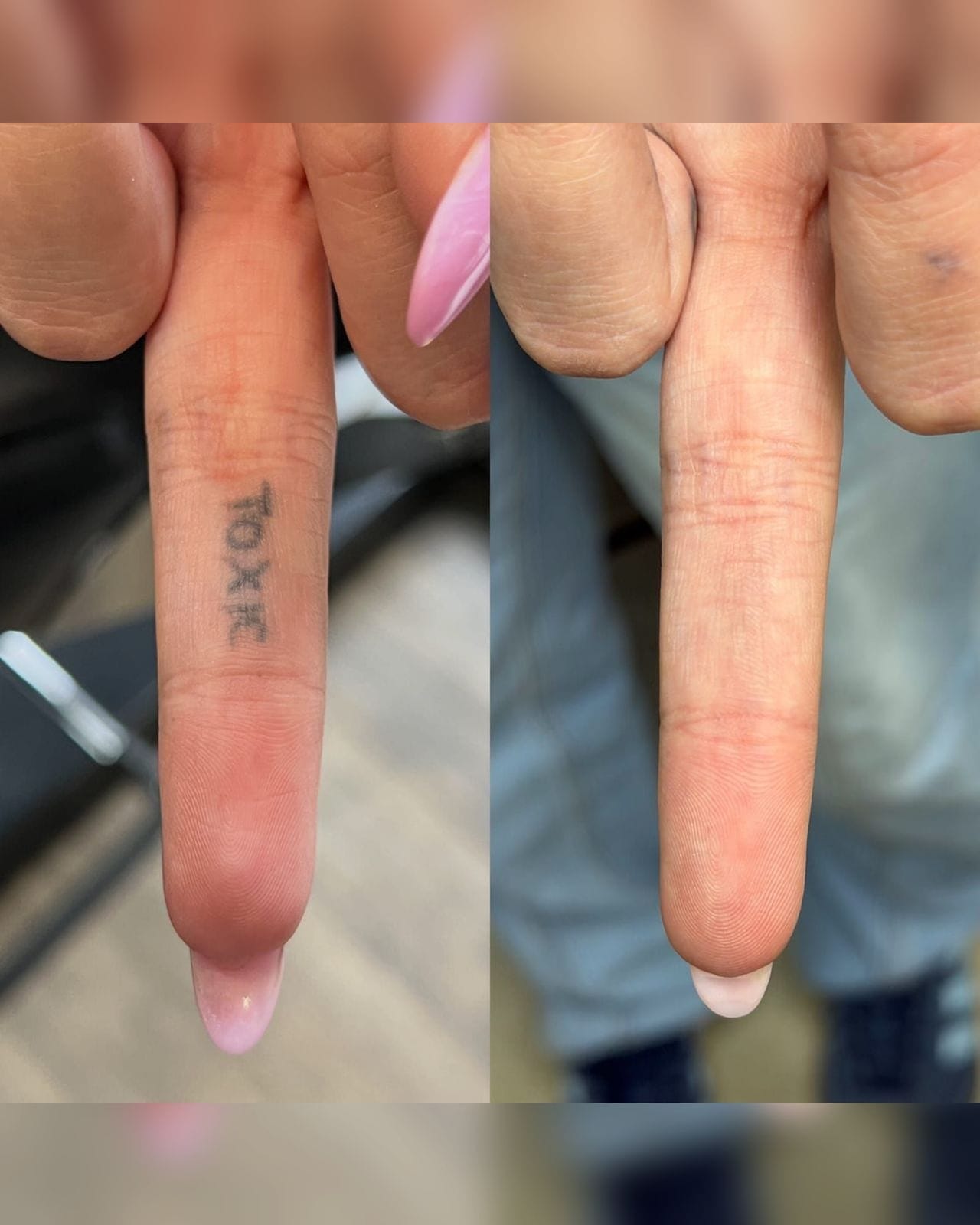
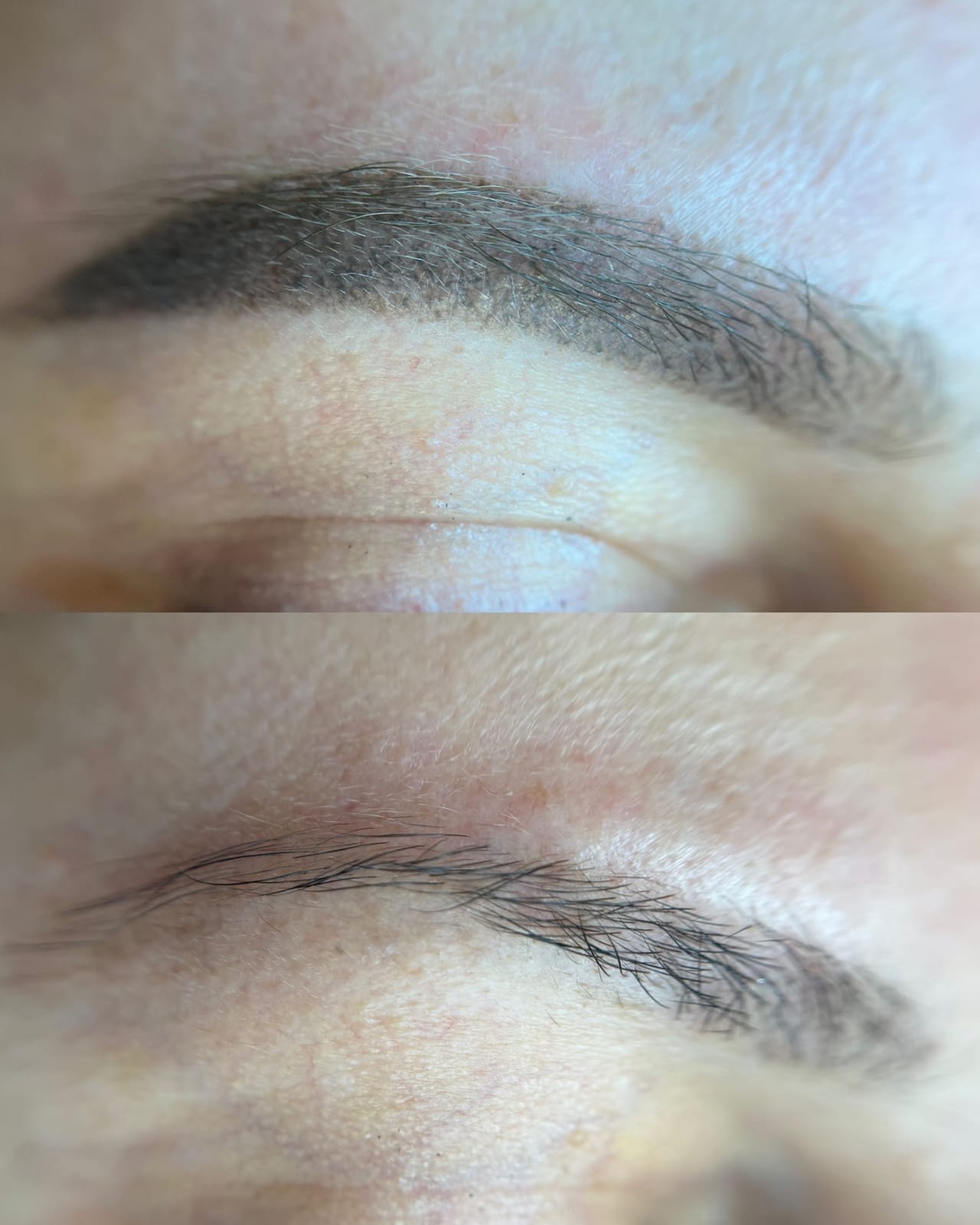
Tattoo and permanent make-up results
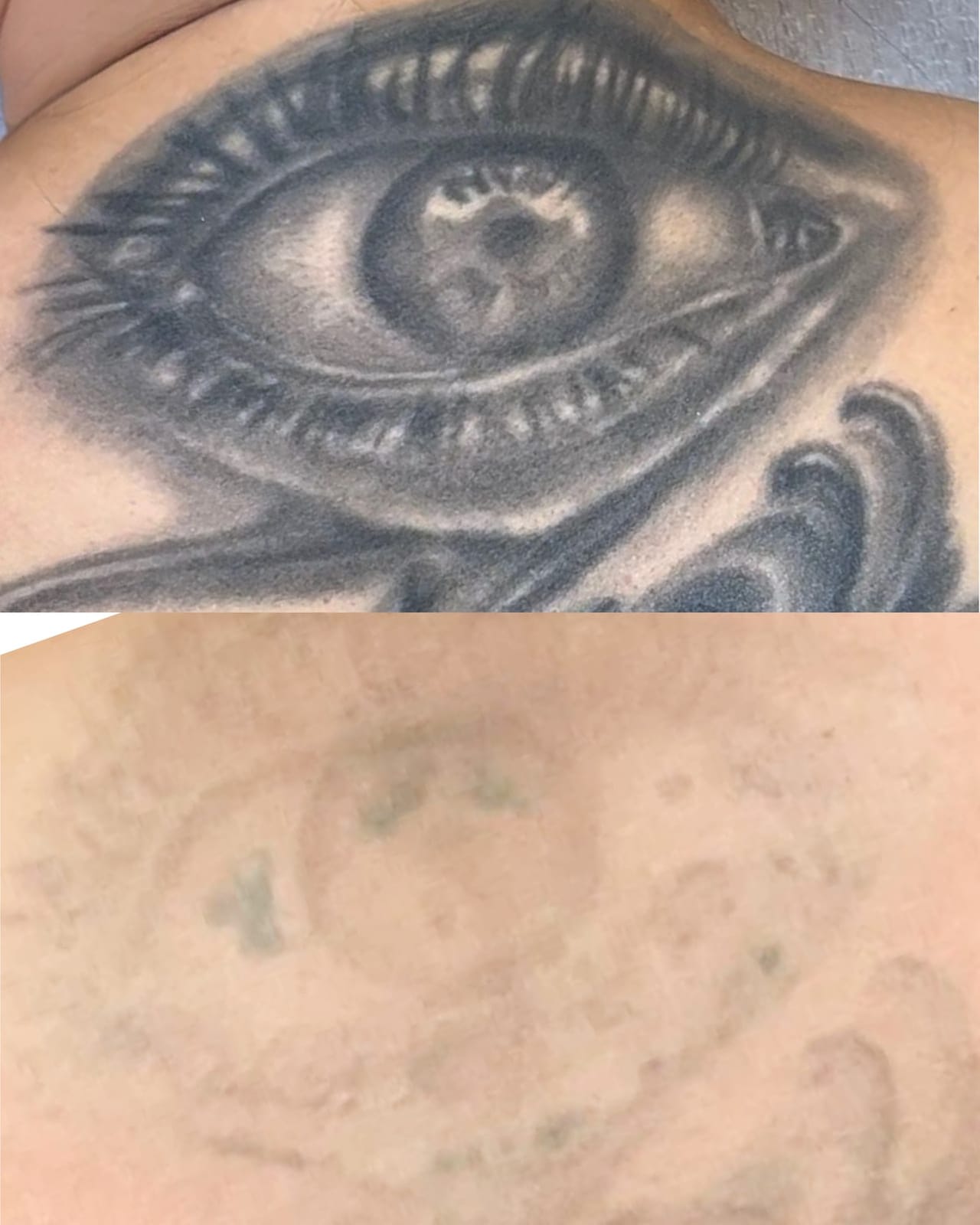
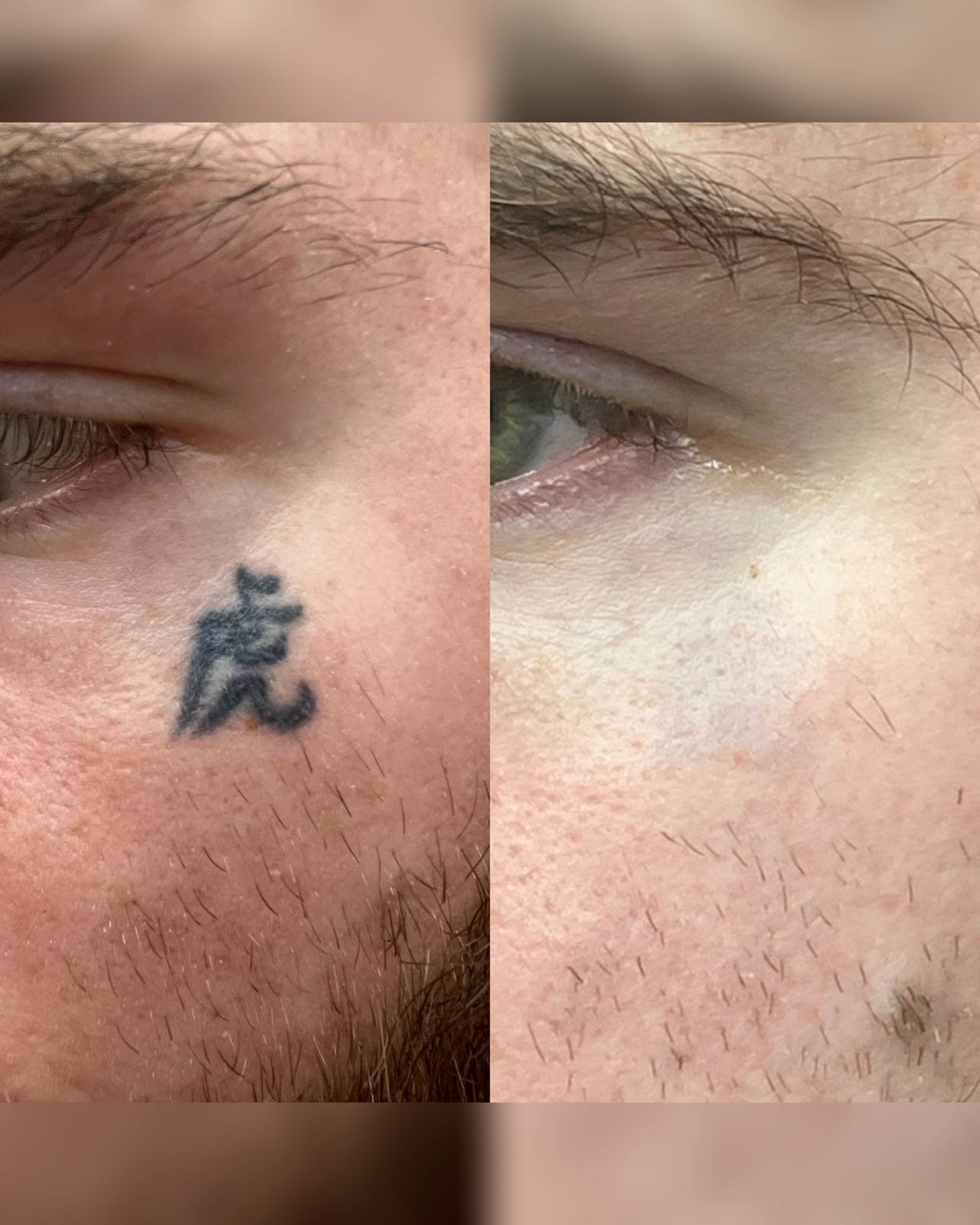
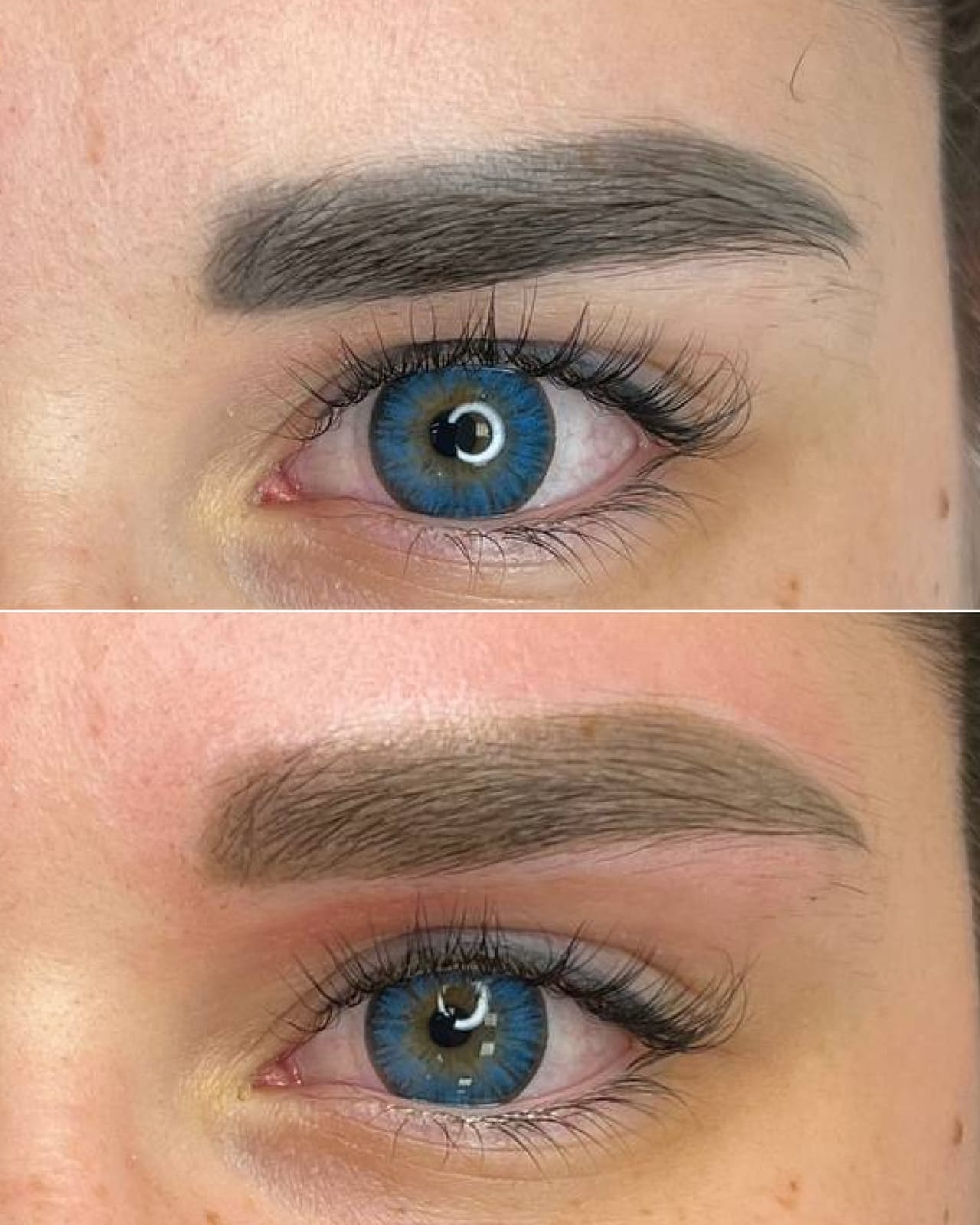
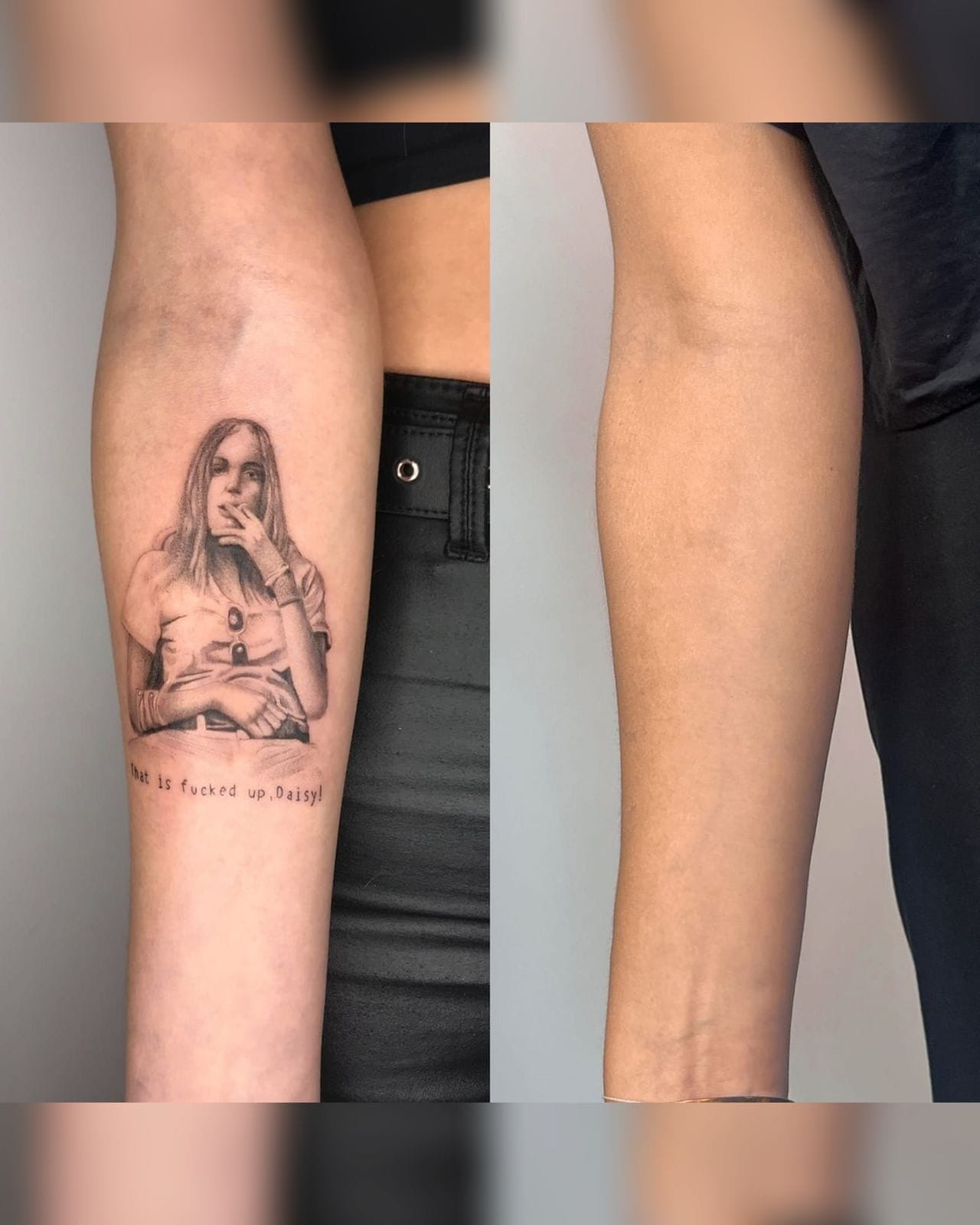
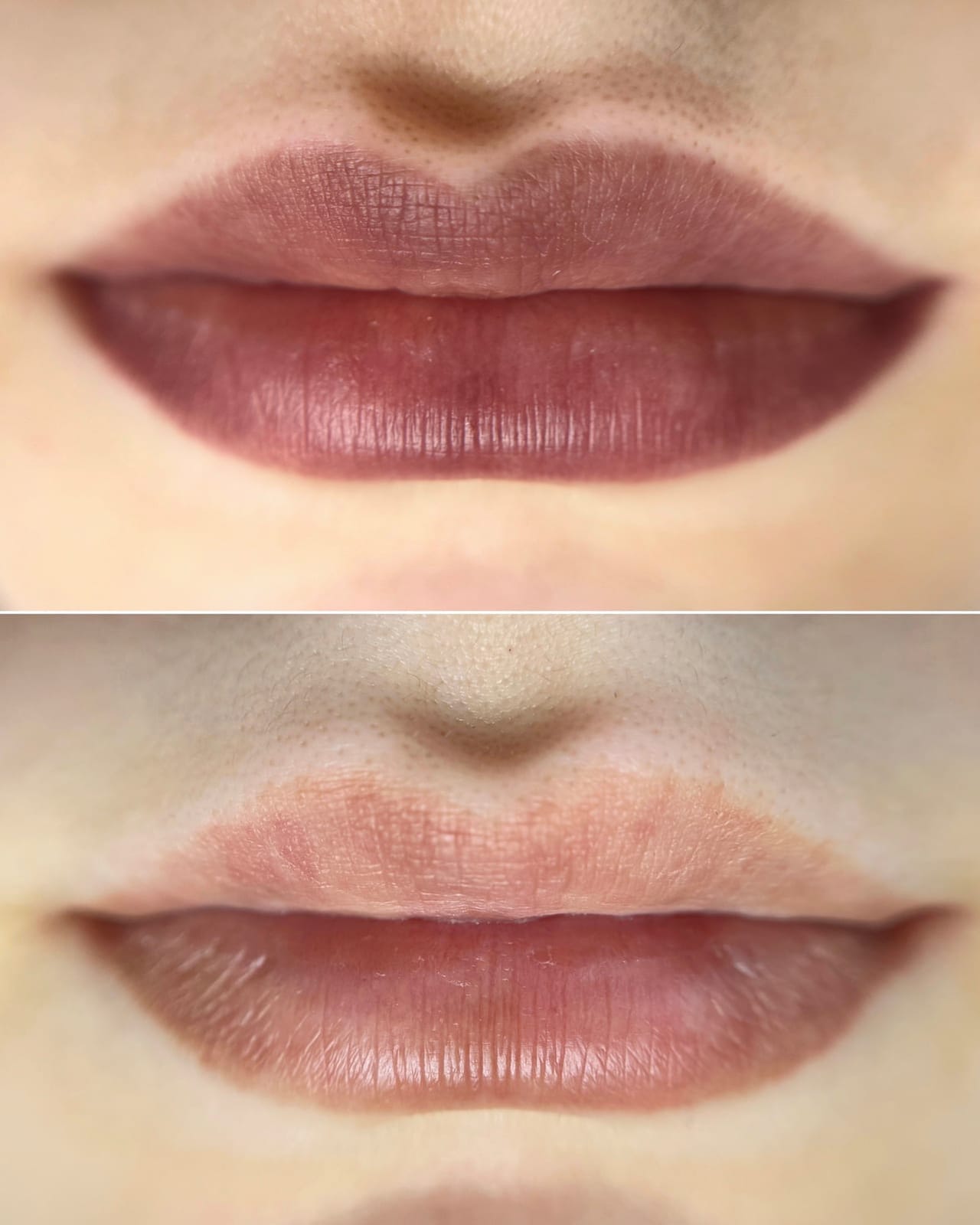
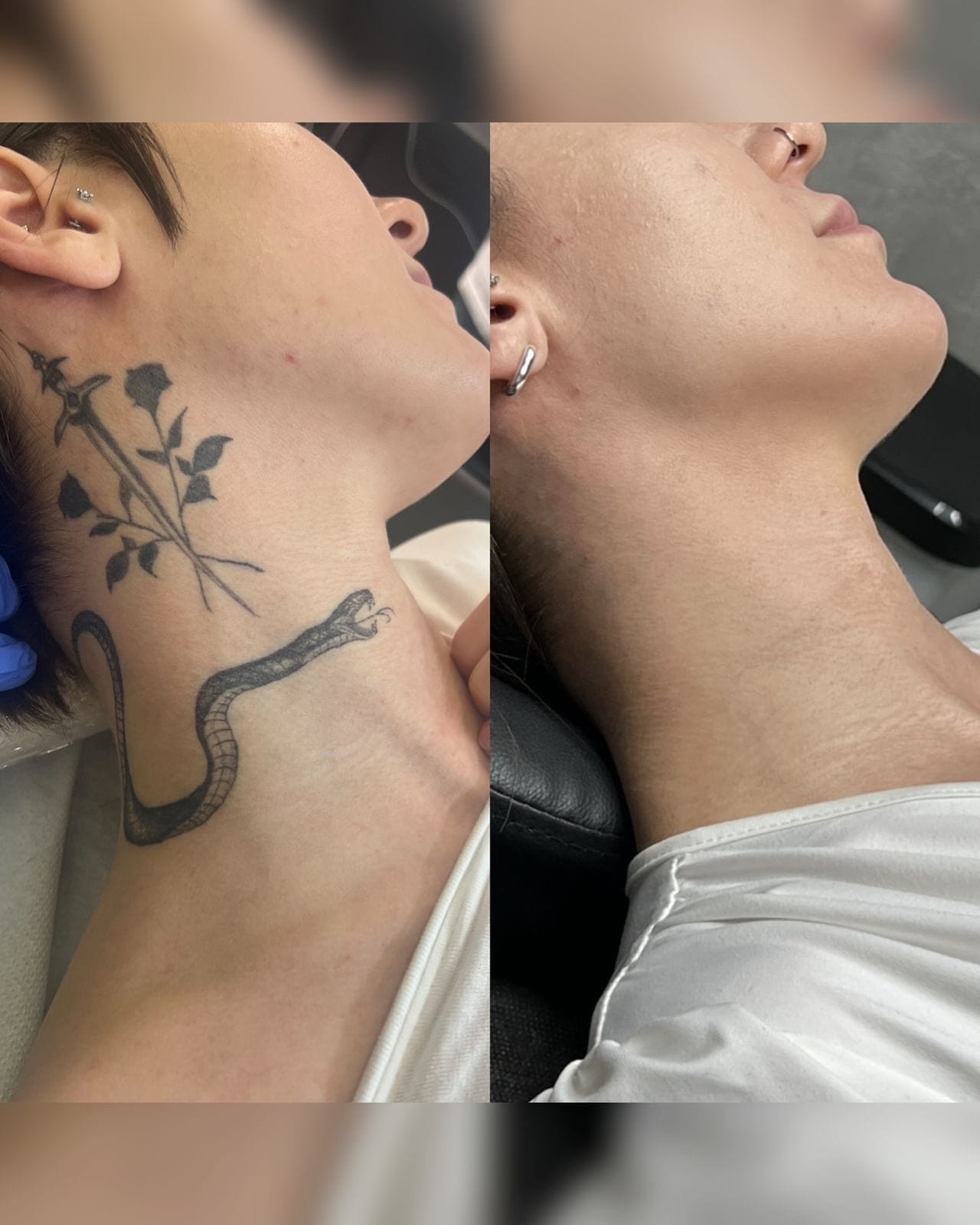
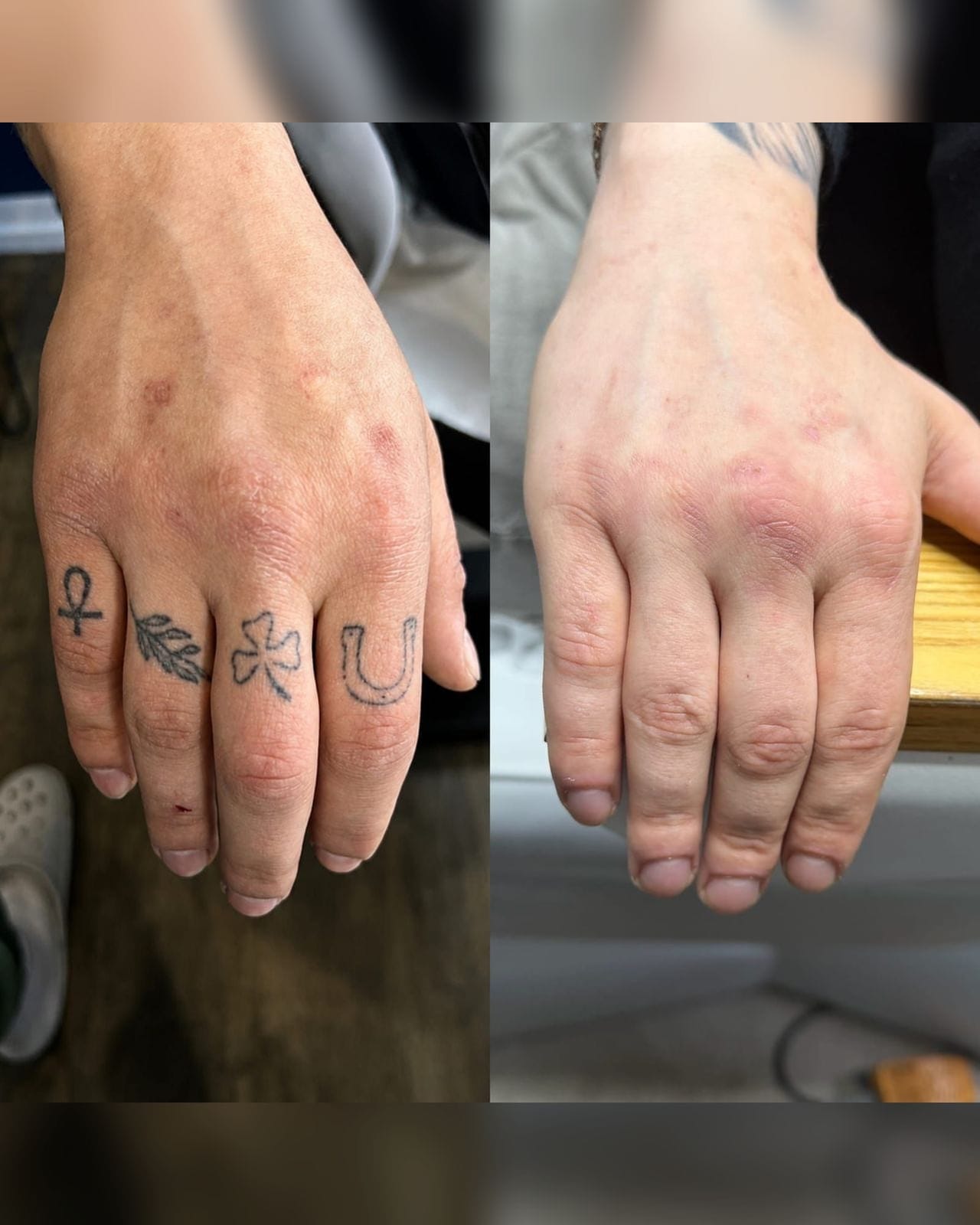
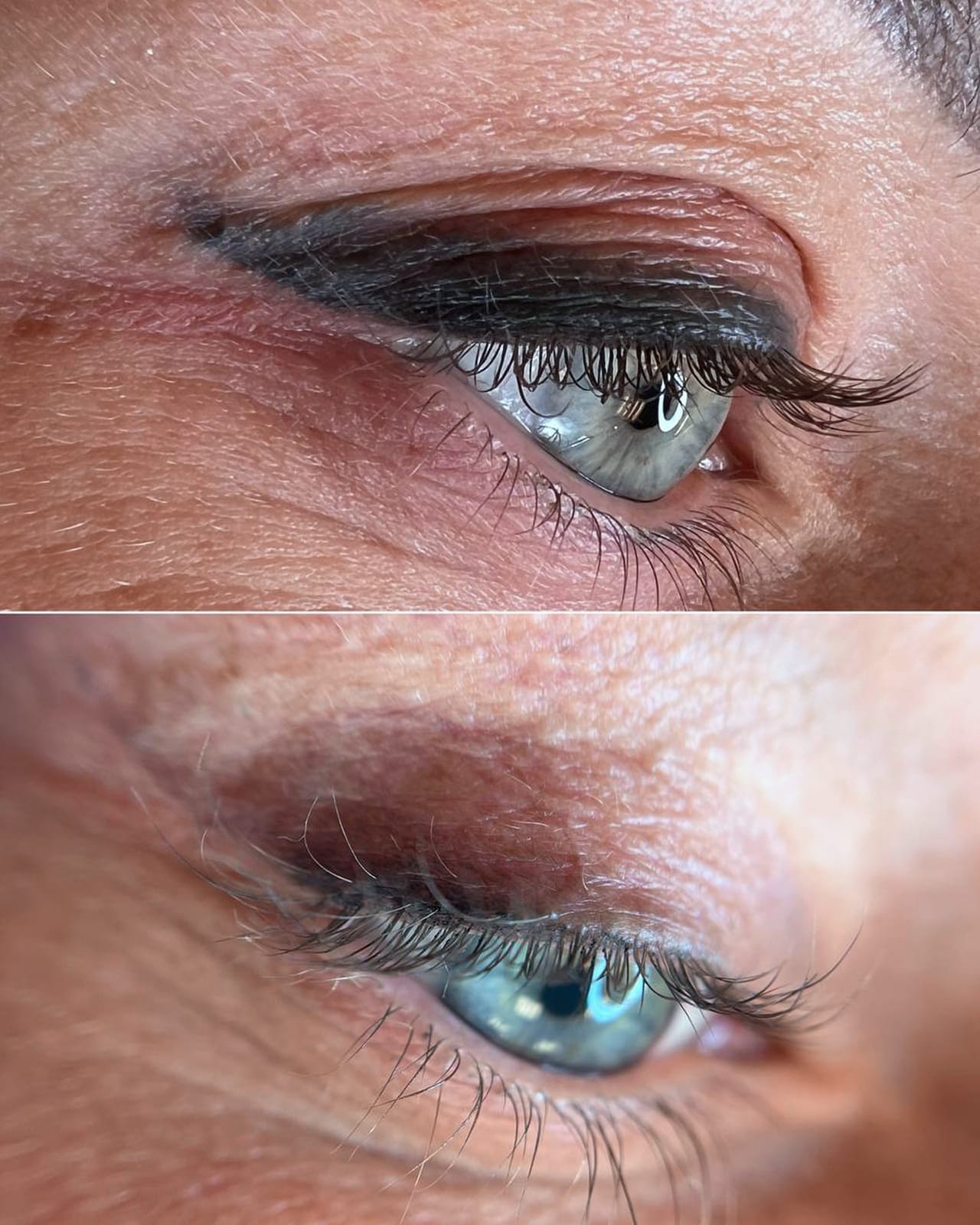
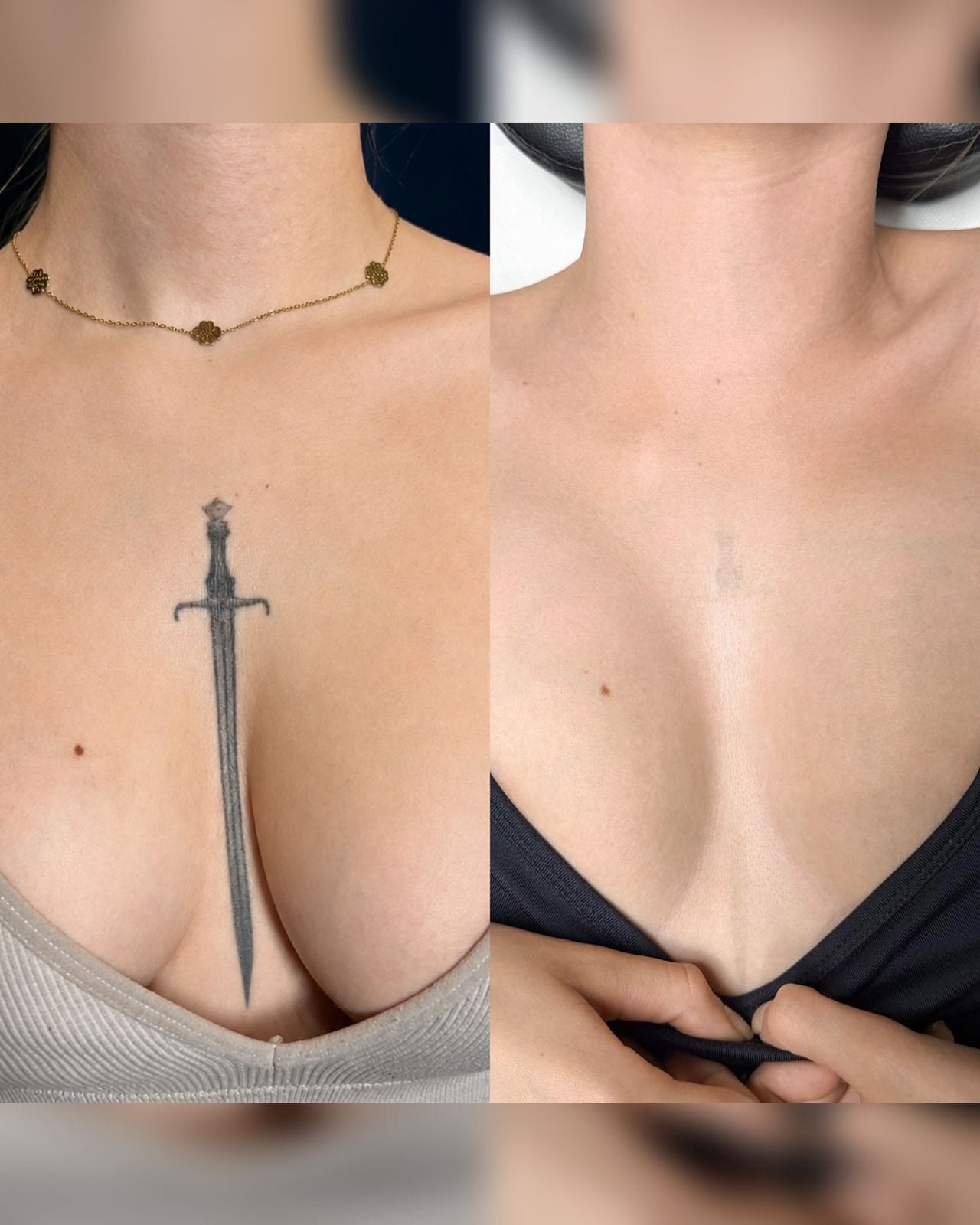
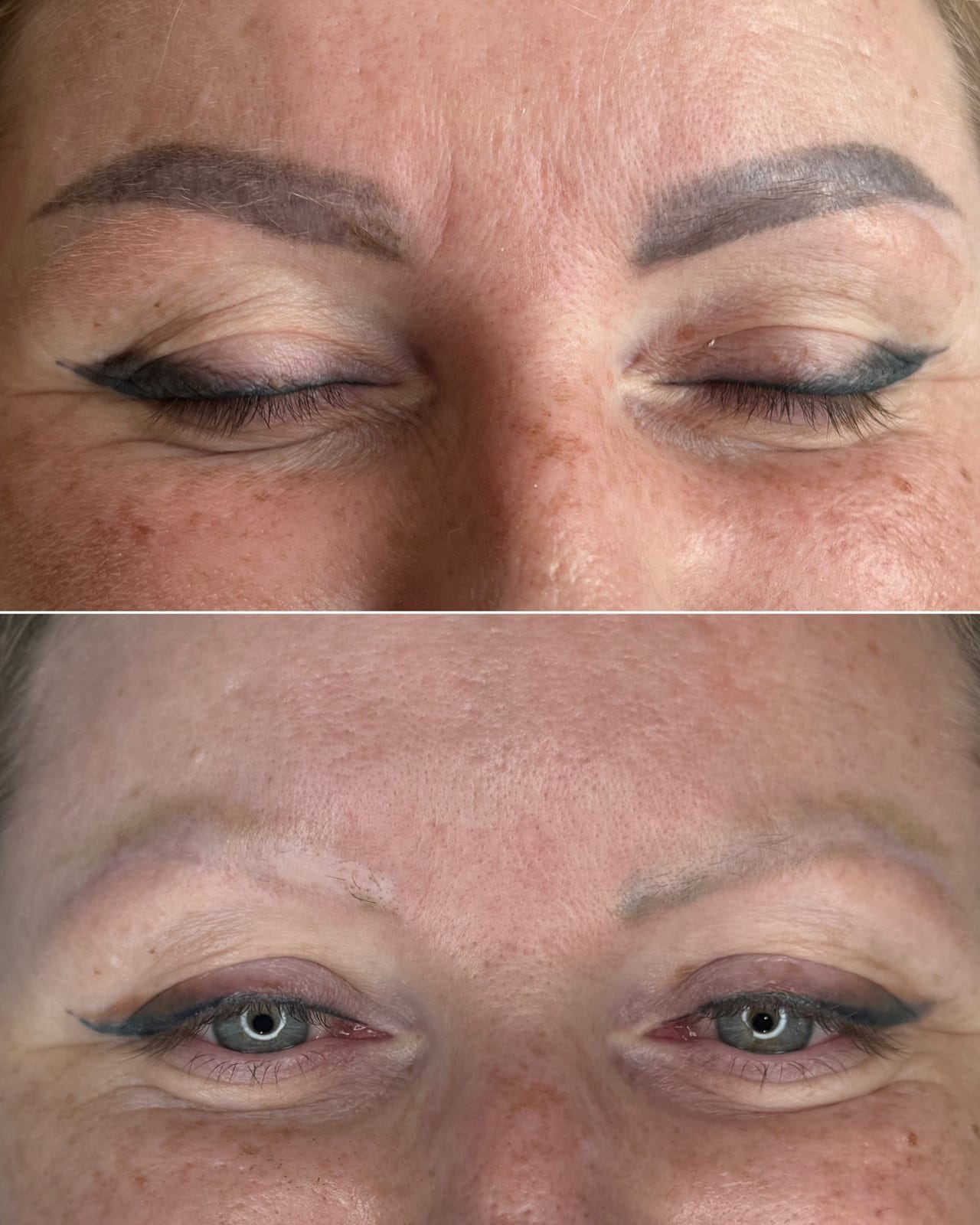
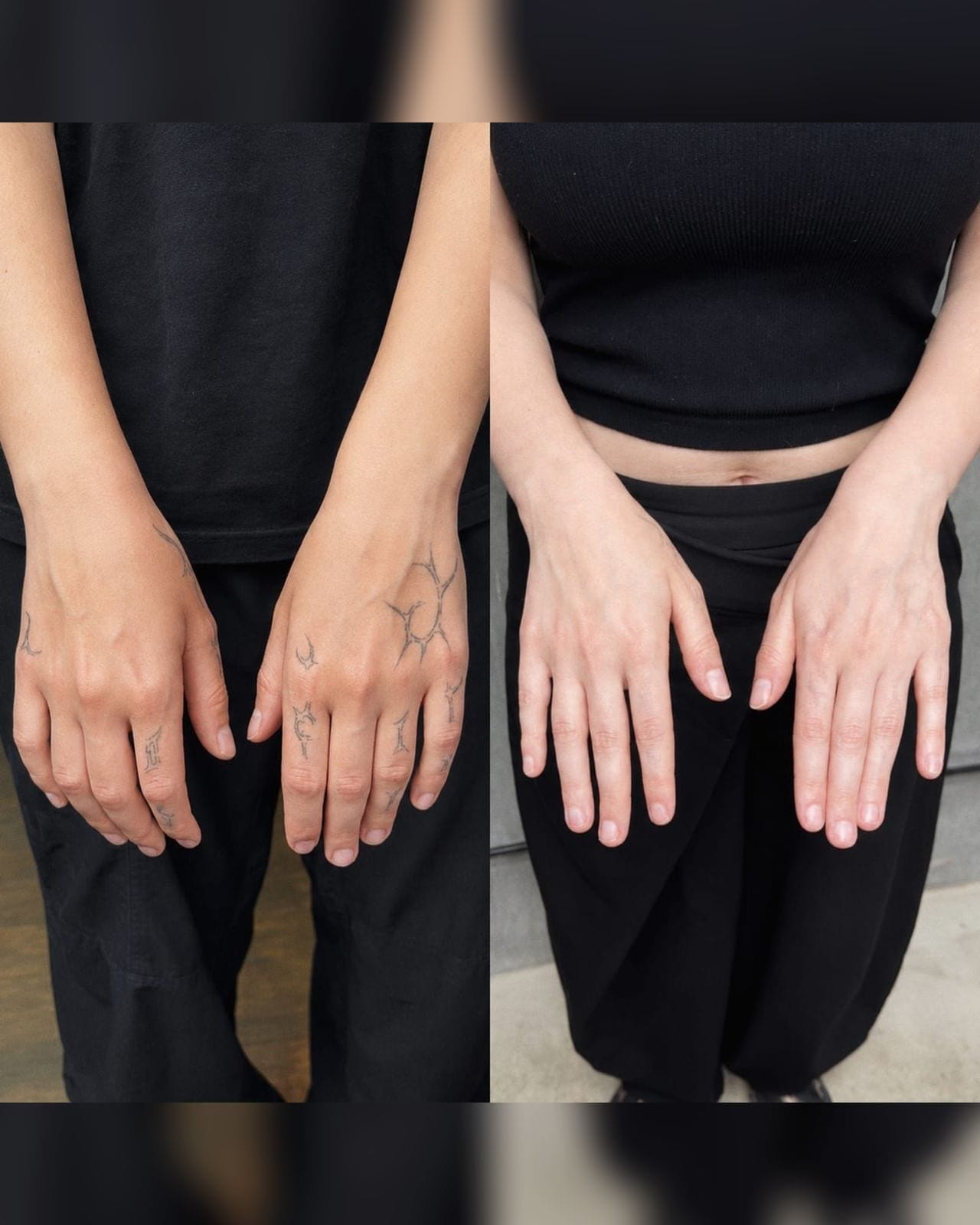
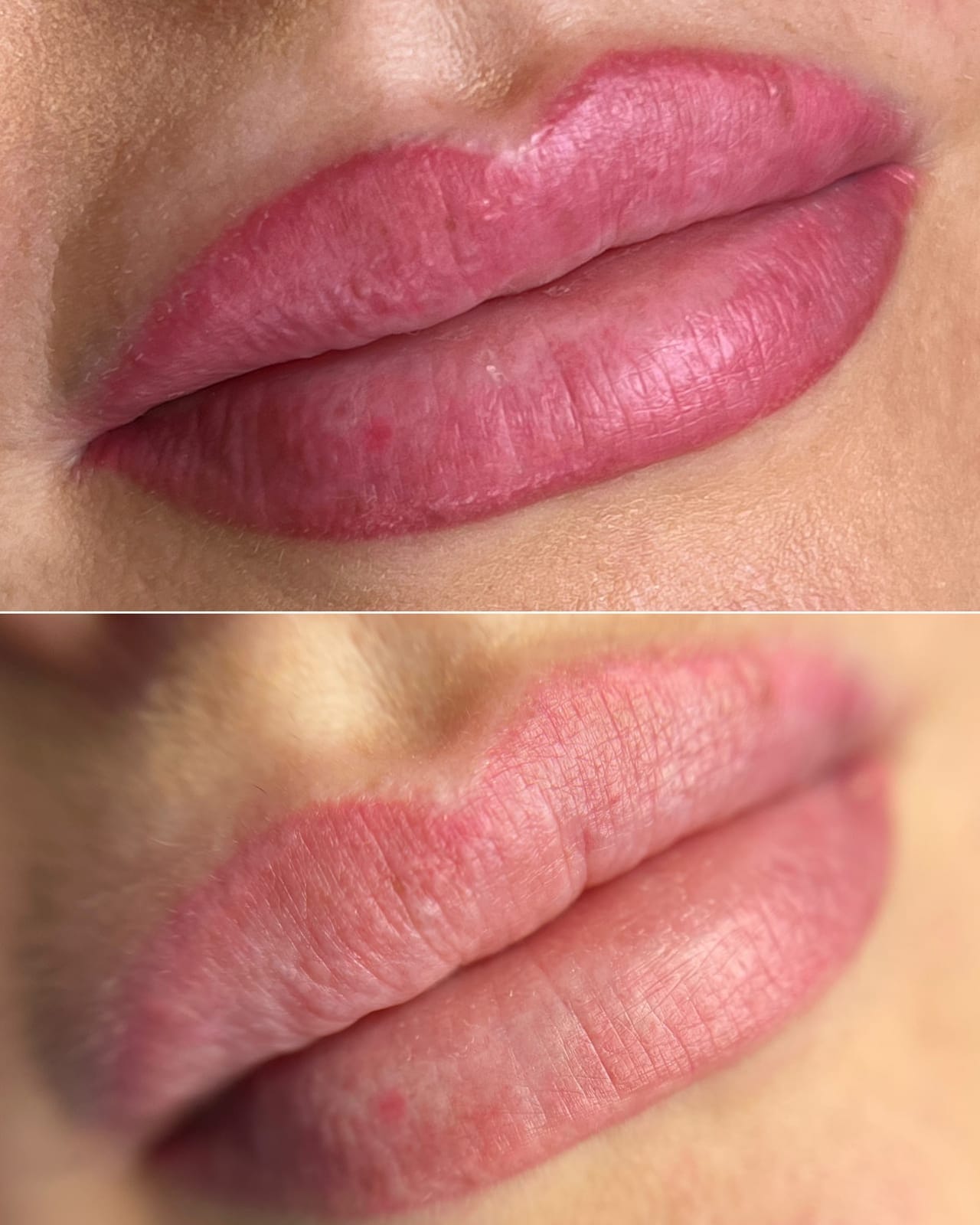
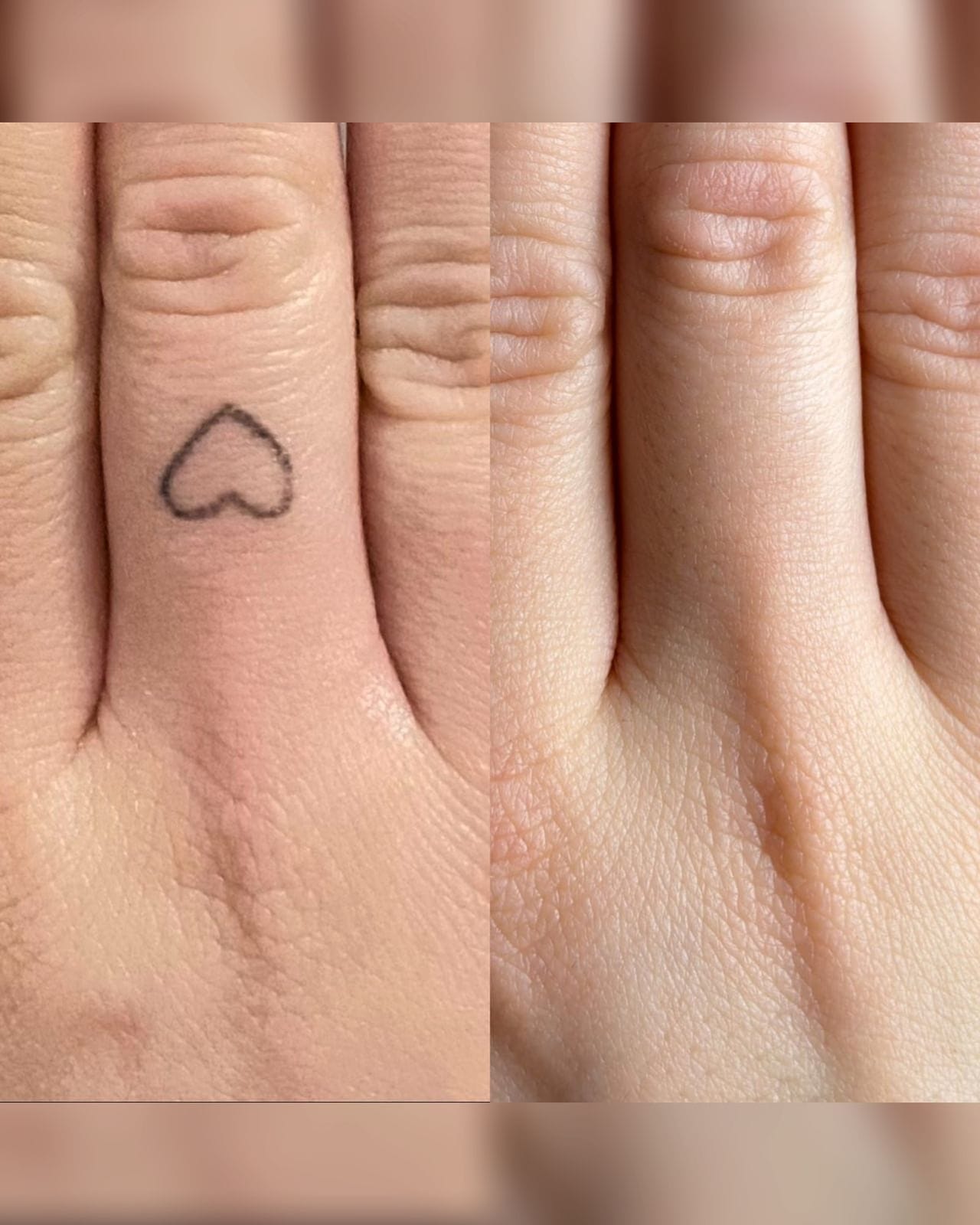
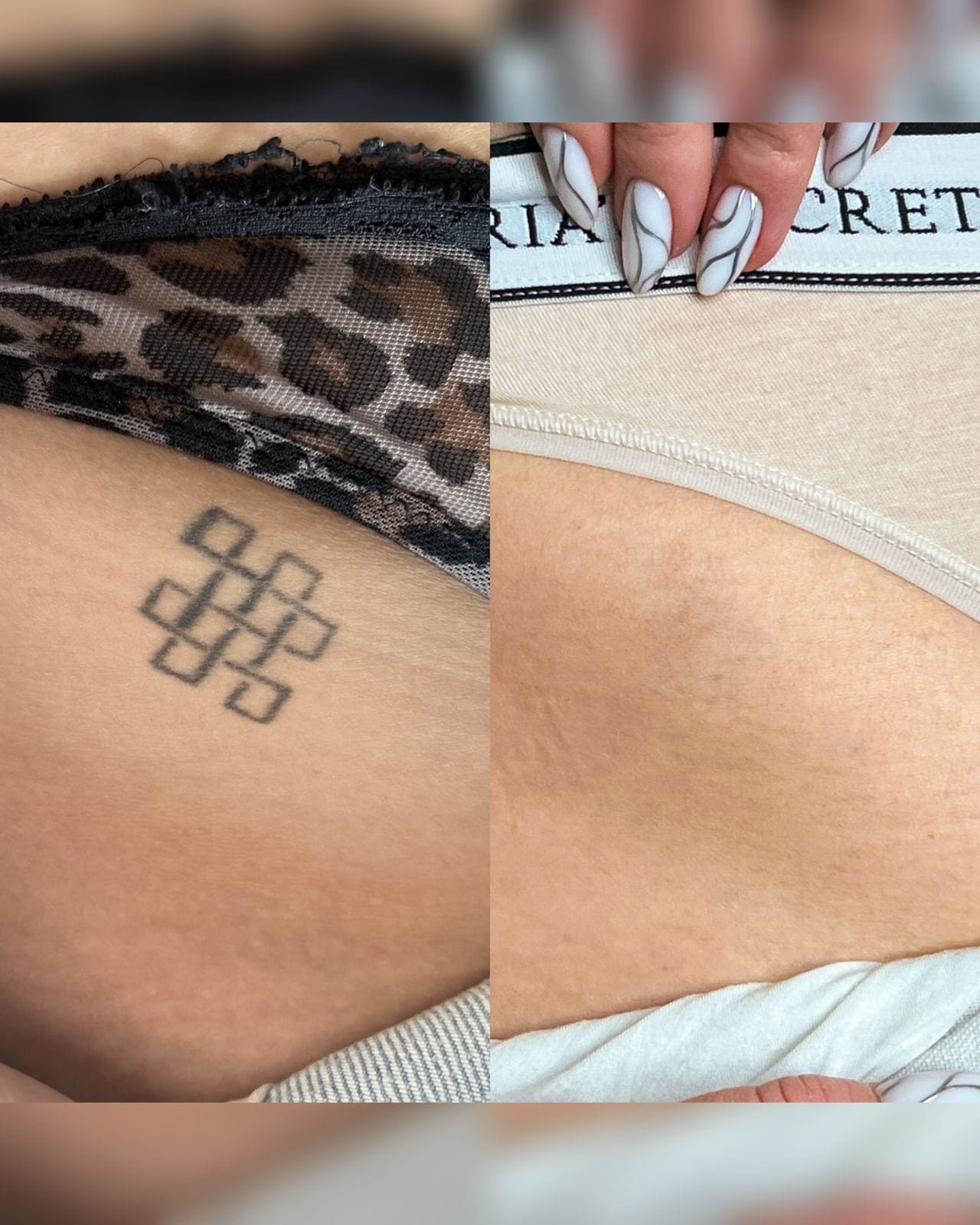
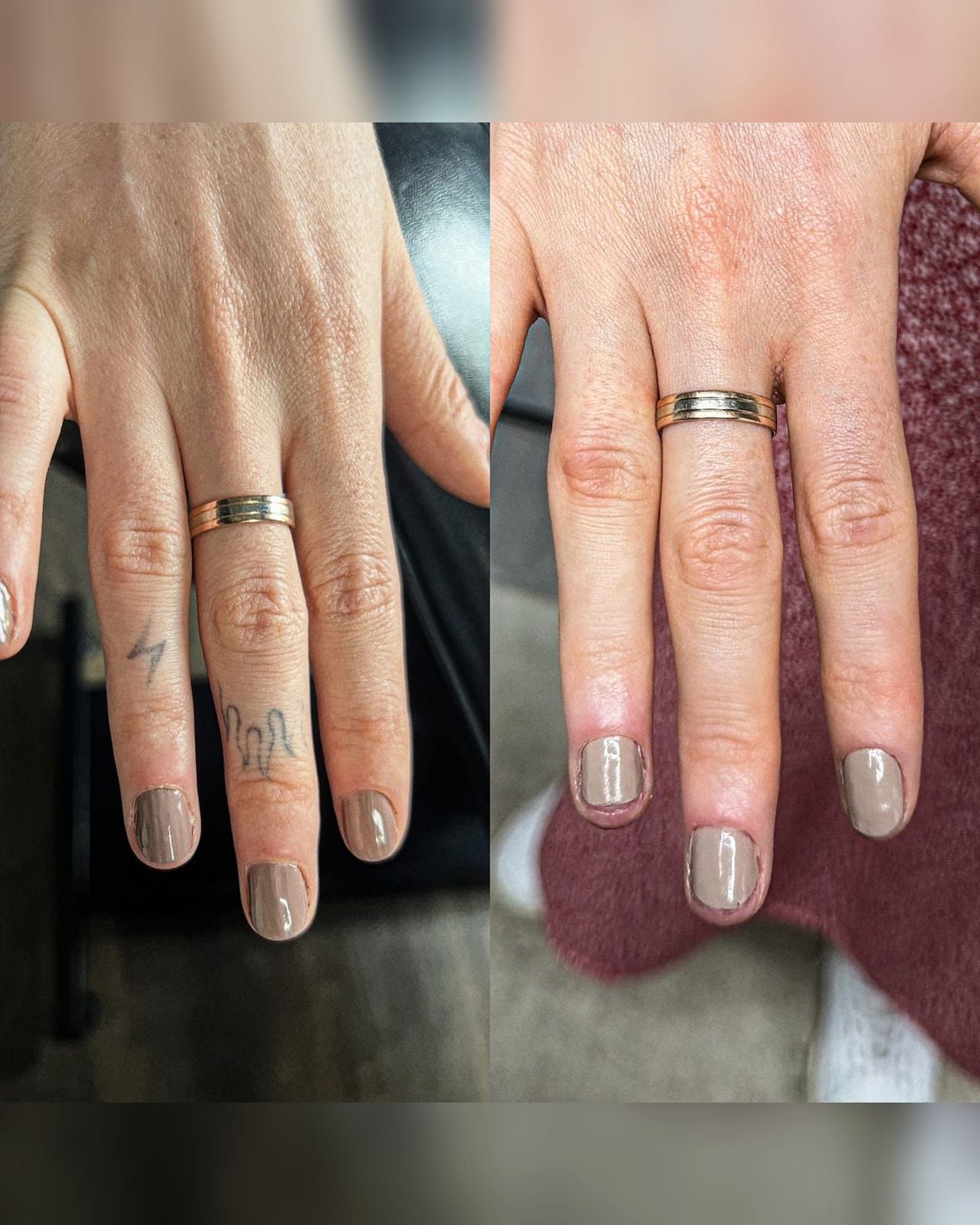
Tattoos and permanent make-up before and after treatment. Each photo states the stage of removal. Some of the cases come from Konrad’s retouch studio in Łódź.
Removal in progress
8 sessionsLaser Daddy
1 session
3 sessionsLaser Daddy
Removal in progress
2 sessions
8 sessionsLaser Daddy
3 sessionsLaser Daddy
2 sessions
Removal in progress
4 sessionsLaser Daddy
3 sessions
3 sessionsLaser Daddy
Removal in progress
1 session
2 sessionsLaser Daddy
3 sessionsLaser Daddy
5 sessions
5 sessions
3 sessionsLaser Daddy
2 sessions
2 sessionsLaser Daddy
1 / 22
After you buy
You deal with people who remove tattoos
Our trainers perform treatments every day, and we service the equipment ourselves. After delivery you call them directly, not a sales department.
Training included with the laser
14 hours of lessons and demonstrations, practice on models, a named certificate and a 12-month online course.
24-month warranty
Warranty repairs are done within 7 working days. If a repair takes longer, you get a replacement device for that time.
Service in Poland and across the EU
Edge and Pico are serviced on site, at your premises. A courier collects the compact Ultra from any address in Poland, and from other EU countries we agree the route individually. Transport is insured up to 50,000 zł. We also service other brands of laser.
The Modestic community
A closed group of removal specialists where we share cases, and a live meeting at least once a year.
Our training carries the TGLS Quality Alliance quality mark (certificate no. 13/10/2025, valid until 13.10.2028).
Our specialist
Kristina Malinina
Cosmetologist, PMU and tattoo removal specialist
Twelve years working with permanent make-up and pigment removal. She is behind every piece of Modestic educational material: under her guidance you will learn safe, informed work with the laser and the remover.
Since January 2026, who may operate a tattoo removal laser is decided by the manufacturer’s instructions for use. We have collected the regulations, the timeline of changes, the questions to ask any supplier before signing, and what falls to you as the person performing treatments.
Your question is not here? Write it in the offer form and we will answer together with the quote.
Since January 2026 the manufacturer’s instructions for use are what counts: they state who may operate the device and with which parameters. The legal basis, the timeline of changes and the questions worth asking the supplier before buying are collected on our regulations page.
Yes. The theory covers removing PMU from brows, lips and eyeliner as well as tattoos, and the practical part is done on models. For those who want to go deeper into eyeliner removal we run a separate advanced course.
The manufacturer’s instructions list treatment of pigmented lesions, including sun spots and age spots, melasma, nevus of Ota and seborrhoeic keratosis. The full list is in the clinical applications section. A physician’s assessment comes first, and the interval between treatments in a series is 6–10 weeks.
According to the instructions, the physician: takes the history, rules out contraindications and assesses the lesion before the first pulse. The physician decides whether the lesion can be treated with a laser, all the more so when there is a history of skin cancer or when naevi raise doubts. Who may operate the device is decided by the instructions, which we cover on the regulations page.
The instructions list, among others, a history of skin cancer including melanoma, multiple dysplastic naevi, pregnancy and breastfeeding, photosensitising medication, a tendency to keloids, active infection, and sun exposure or tanning in the 3–4 weeks before treatment. This also applies to skin darker than the lesion itself, especially phototypes V and VI.
All three are Nd:YAG lasers in a MOPA configuration with a 450 ps pulse at 1064 nm. They differ in pulse energy (PICOCARE 600 mJ, Pico 500 mJ, PicoWay 400 mJ) and in price: about 450,000 zł for PICOCARE, about 550,000 zł for PicoWay and 297,000 zł for Pico. The full comparison is on our picosecond laser comparison page.
From 30 minutes for a small tattoo to 60 minutes for a large one, A4 size and above. A tattoo the size of a CD case takes about 45 minutes.
You buy the laser or lease it with a down payment from 0%. The instalment depends on the term and the buyout, and the financing options come with the offer.
The warranty lasts 24 months. Warranty repairs are done within 7 working days, and if a repair takes longer you get a replacement device, so booked treatments go ahead. Edge and Pico are serviced on site, in the clinic or practice, and a courier collects the compact Ultra.
Offer
Get the offer for your clinic or practice
We send the laser quote with financing options by email within 5 minutes during working hours.
The offer answers
How do you choose a laser and not end up disappointed?
How do lasers differ, and why is more powerful not always better?
How much do lasers cost and what does financing look like?
Which treatments can you perform and how does training work?