A guide for professionals
How do you recognise a genuine Pico laser?
A short guide for skin therapists, tattoo artists and clinic owners: how a laser works, how nano differs from pico and how to avoid being misled when buying.
The basics
How does a pigment-removal laser work?
The same process happens in every laser; nano and pico differ only in how they break the pigment apart in step 2. More on that difference in the next section.
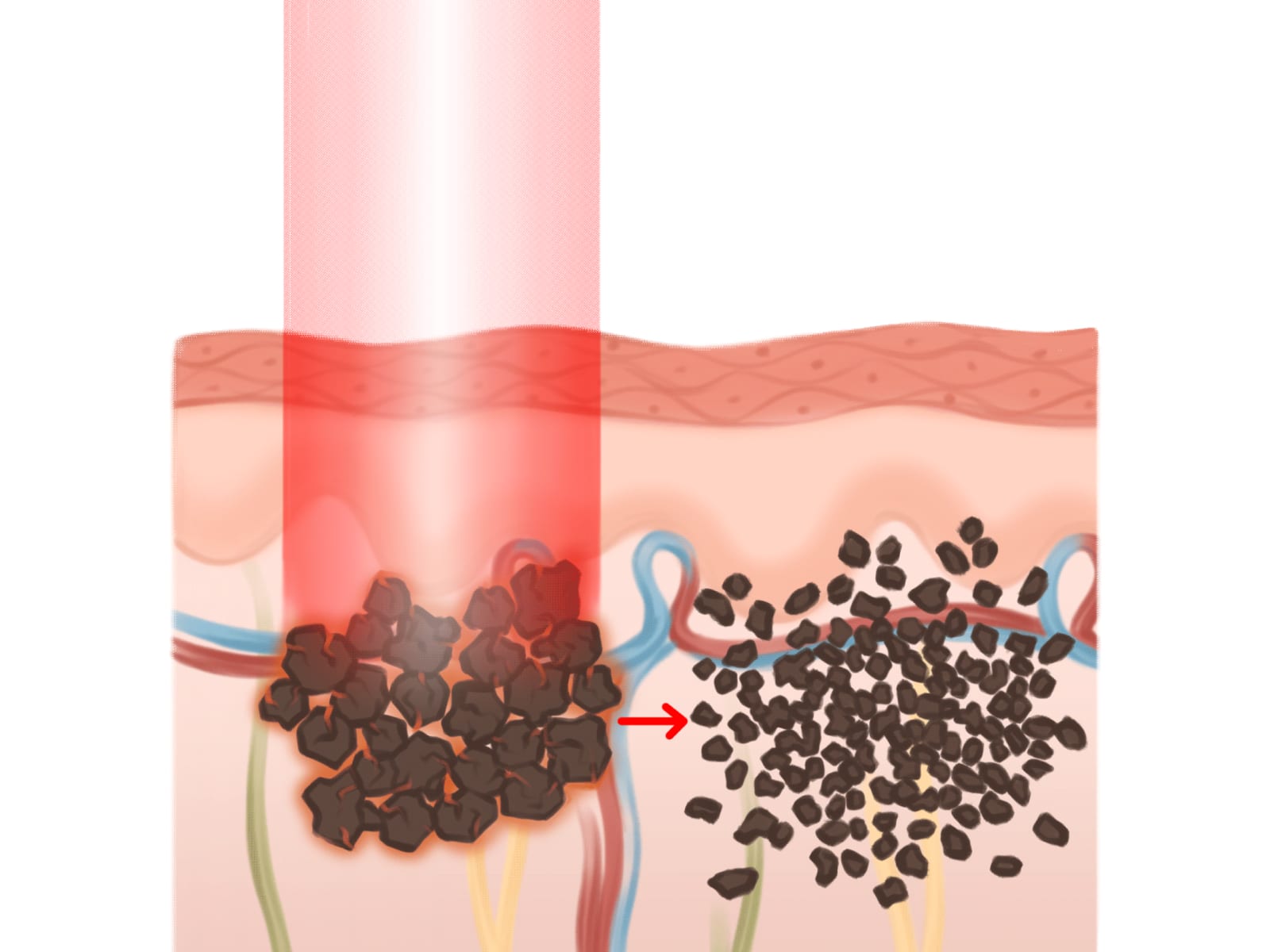
The pulse hits the pigment
A very short flash of light passes through the skin and strikes precisely the colour of the tattoo or PMU.
The pigment shatters into fine particles
The energy breaks the colour into microscopic pieces: with heat (nano) or with a shock wave (pico).
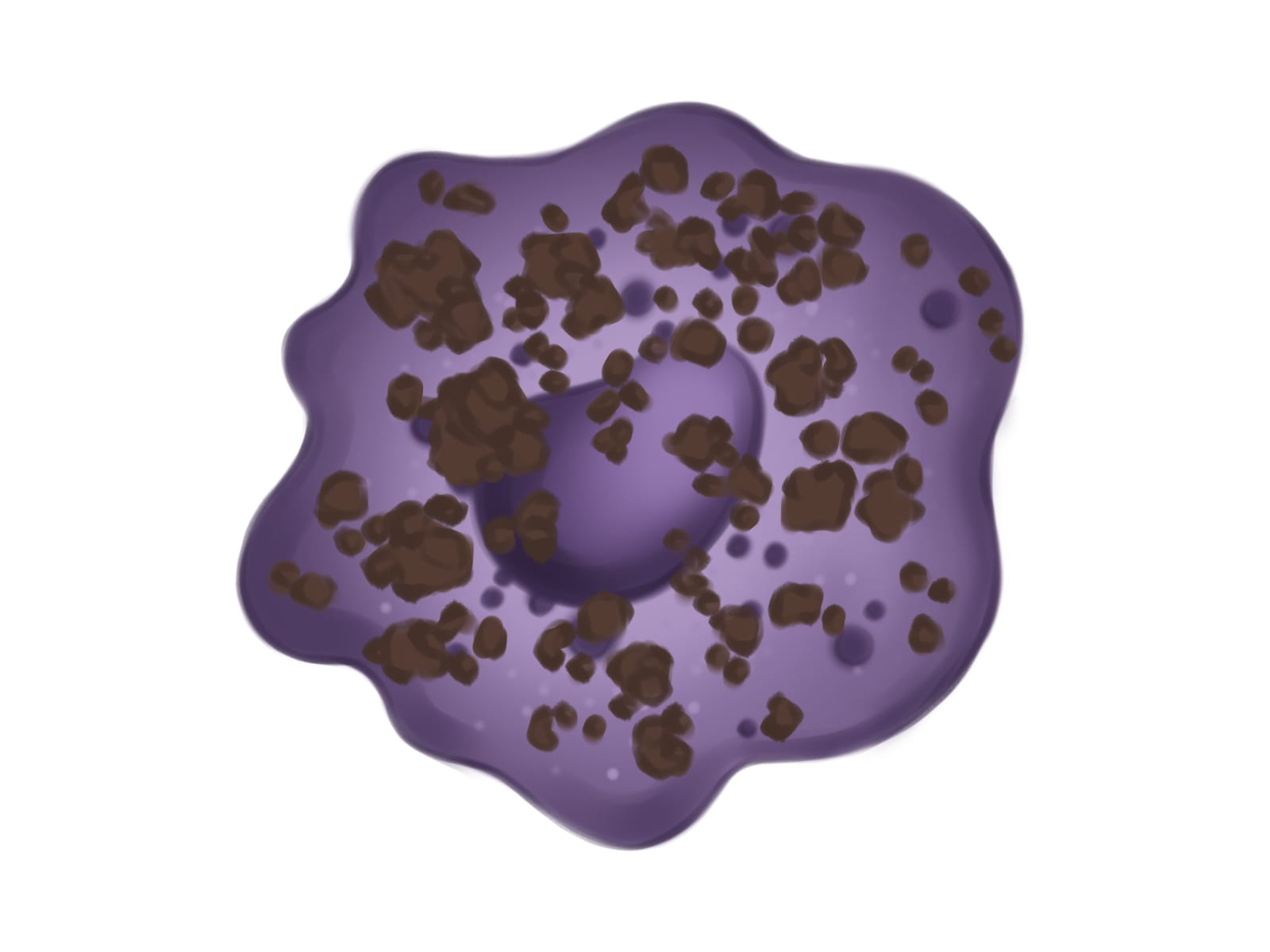
Macrophages carry the pigment away
Immune cells capture the shattered particles and clear them from the body within 6–8 weeks.
This is not burning the skin, but a precise micro-explosion of light that acts only where the pigment is. The surrounding skin stays untouched.
The core difference
Nano and pico break pigment apart differently
The shorter the pulse, the finer the pigment breaks up. That is the whole difference; everything else follows from it.
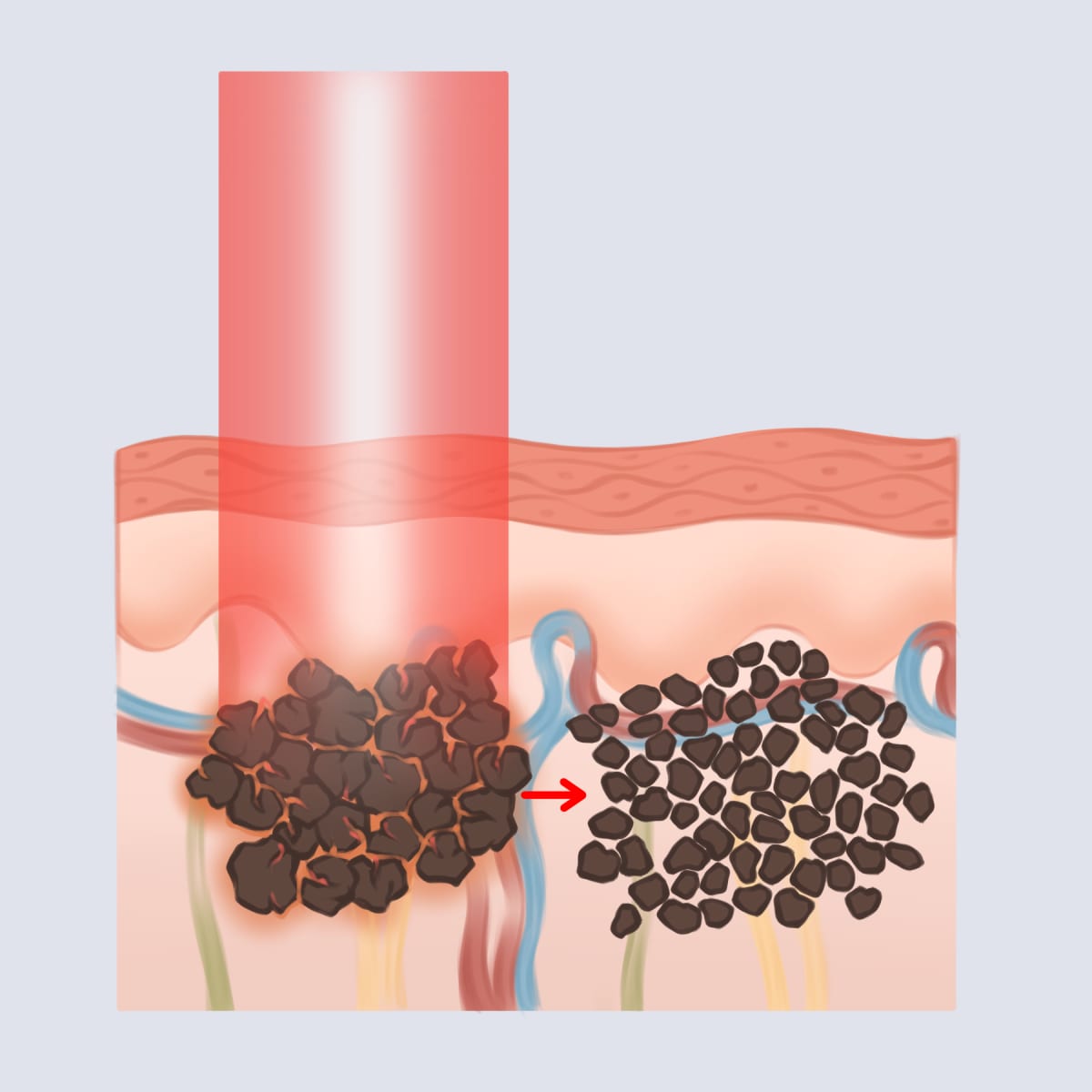
Nanosecond laser
- The pulse lasts a billionth of a second
- Works mainly through heat
- Breaks the pigment into larger fragments
- Technology: Nd:YAG Q-Switch
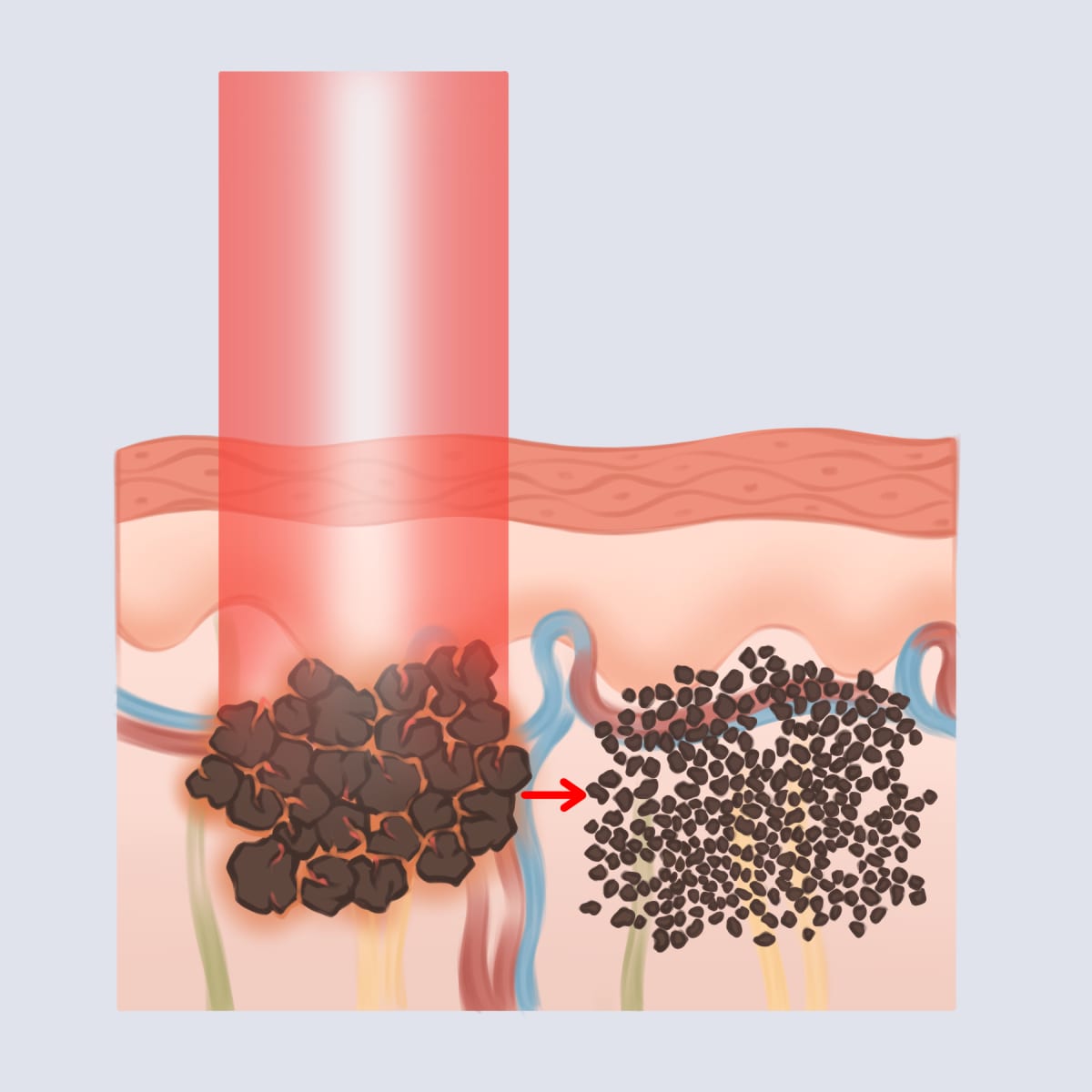
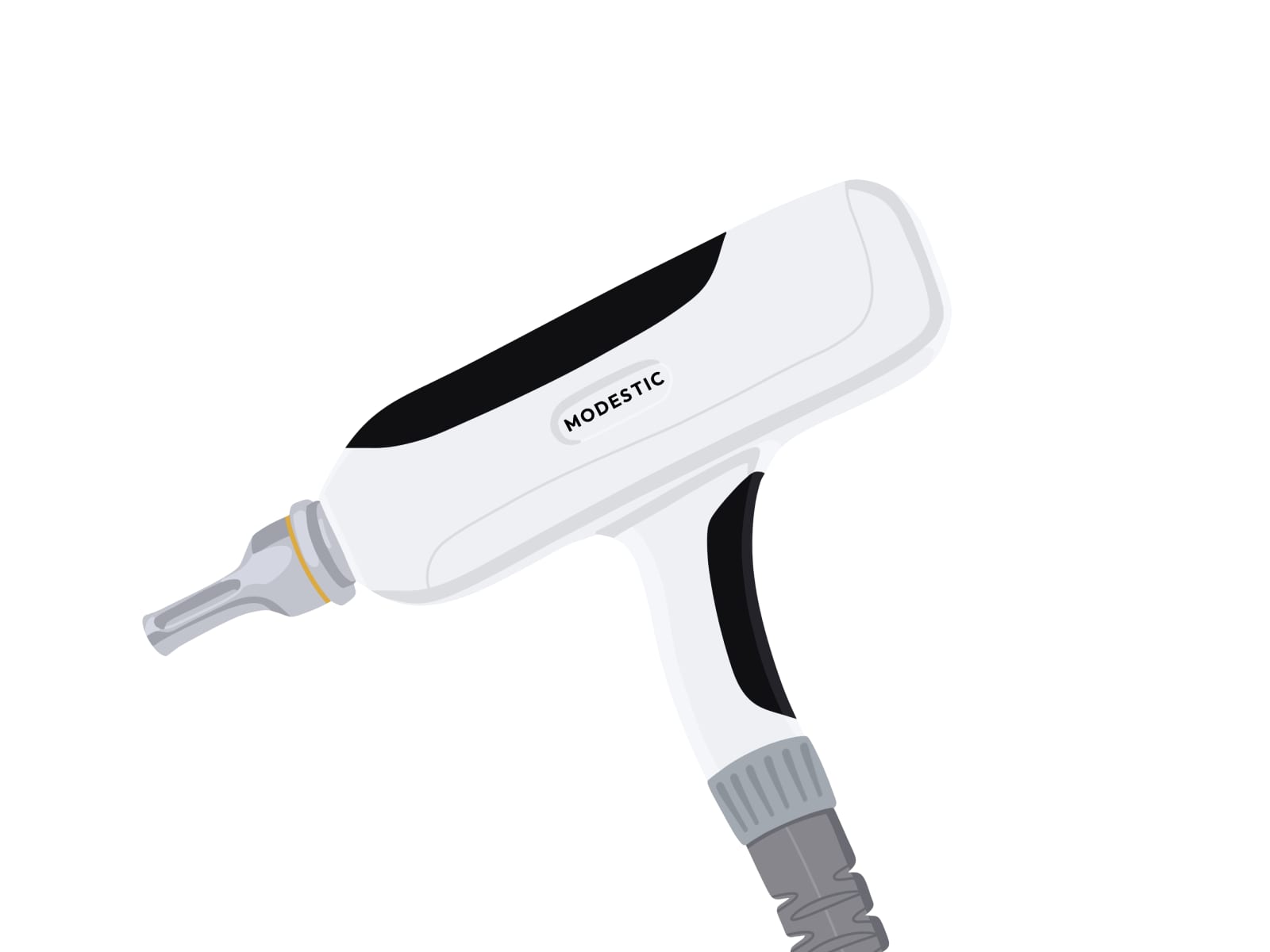
Picosecond laser
highest efficacy- A pulse roughly 1000× shorter than in a nano laser
- Breaks the pigment into fine dust, which is easier to clear
- Less heat, less irritation, faster healing
- Advanced construction, a guarantee of stability and repeatable results
Independently verified: a pico laser crushes pigment into finer fragments than nano. Finer pigment disappears more readily, and the body clears it more efficiently. That is why pico can be more effective on difficult, stubborn cases, though the outcome depends on the colour and depth of the pigment.
Source: Bäumler et al. (2022, Journal of the European Academy of Dermatology and Venereology), a comparative nano vs pico study. A further study of 49 patients showed a clearer advantage for pico in colour reduction (33% vs 14% at ≥75% reduction). Results depend on the colour and depth of the pigment.
The optical path: what is really inside
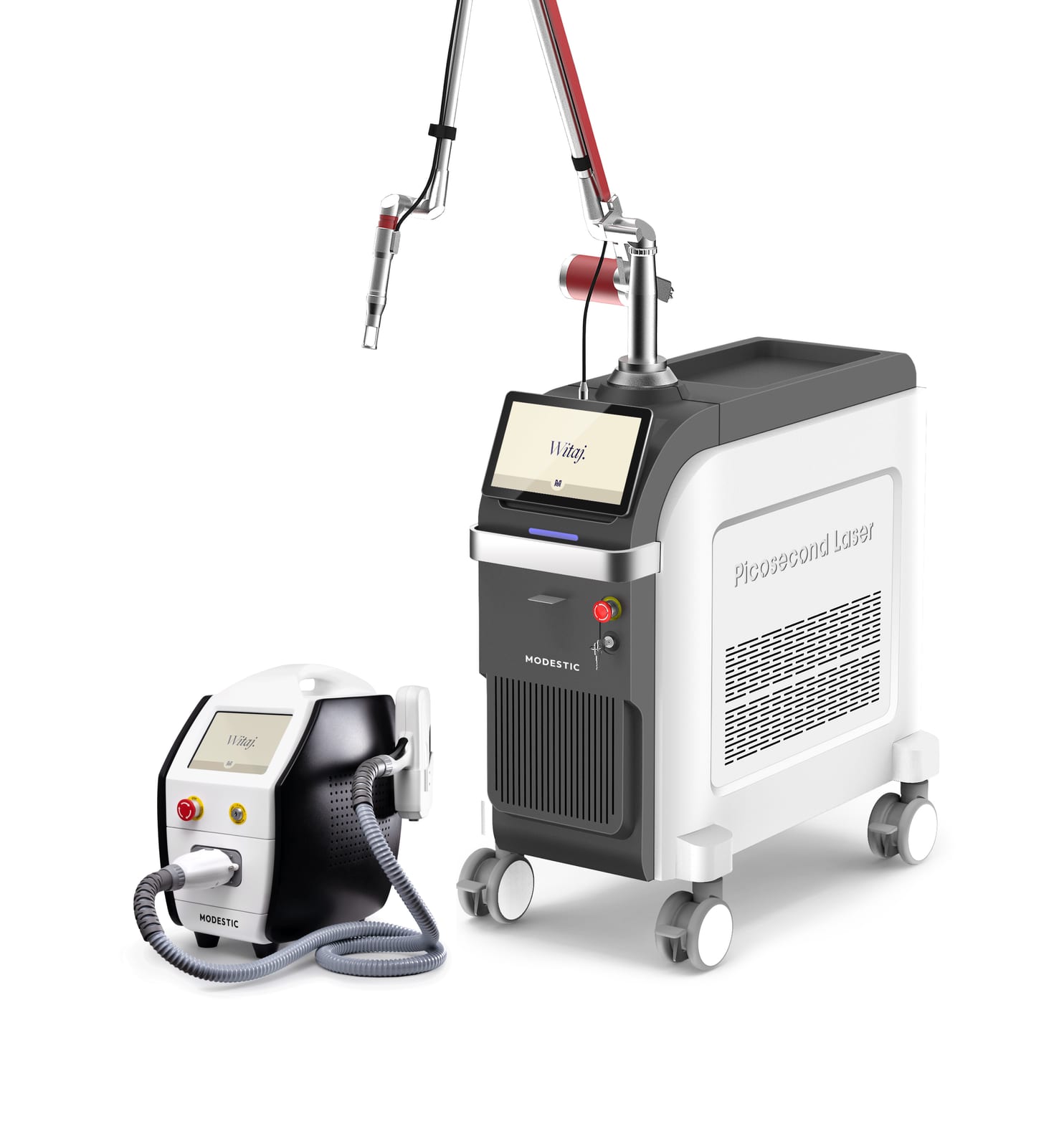
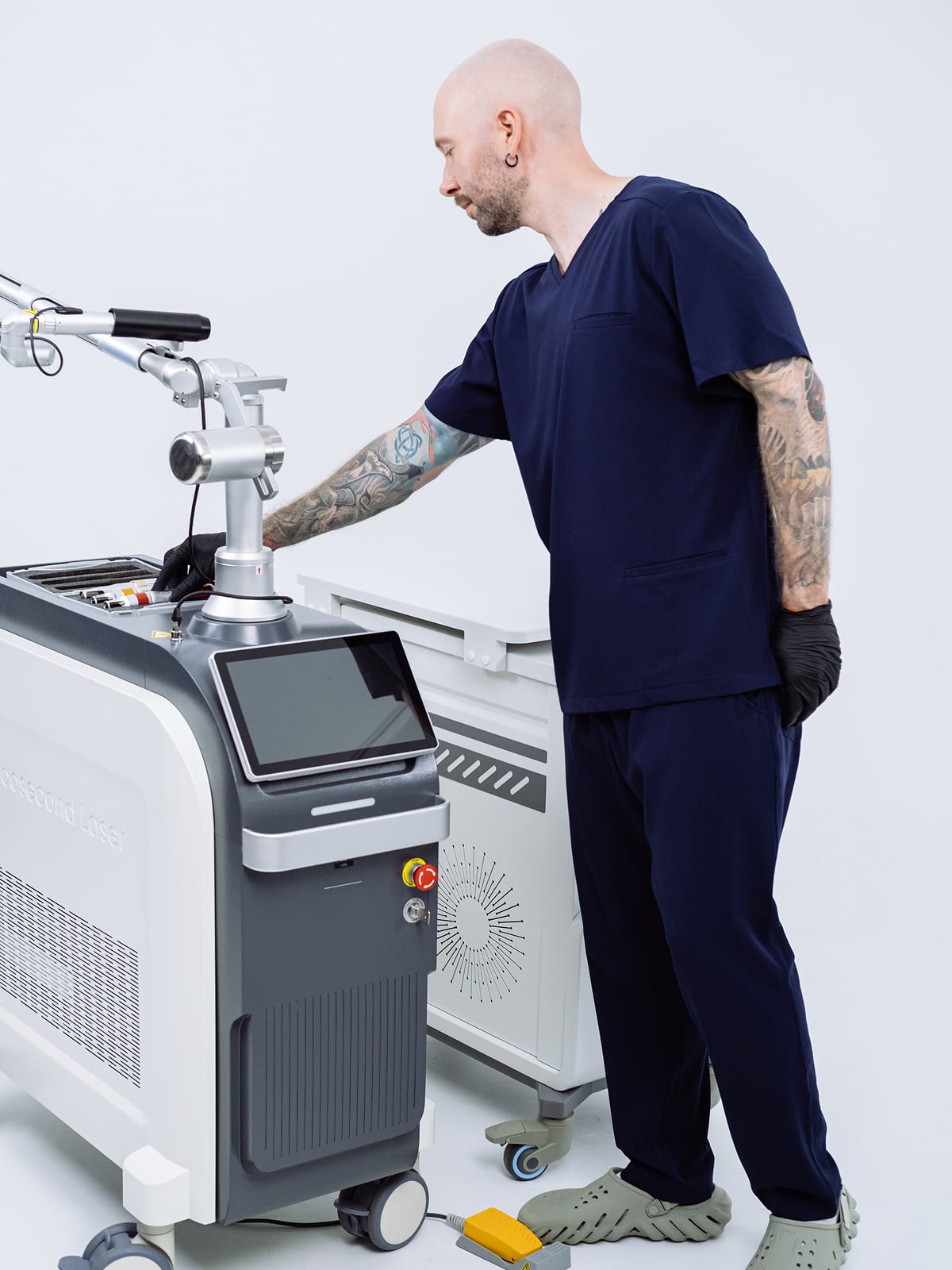
Both types are sometimes large, stationary devices, so the difference is no longer settled by the weight on the label but by the architecture inside.
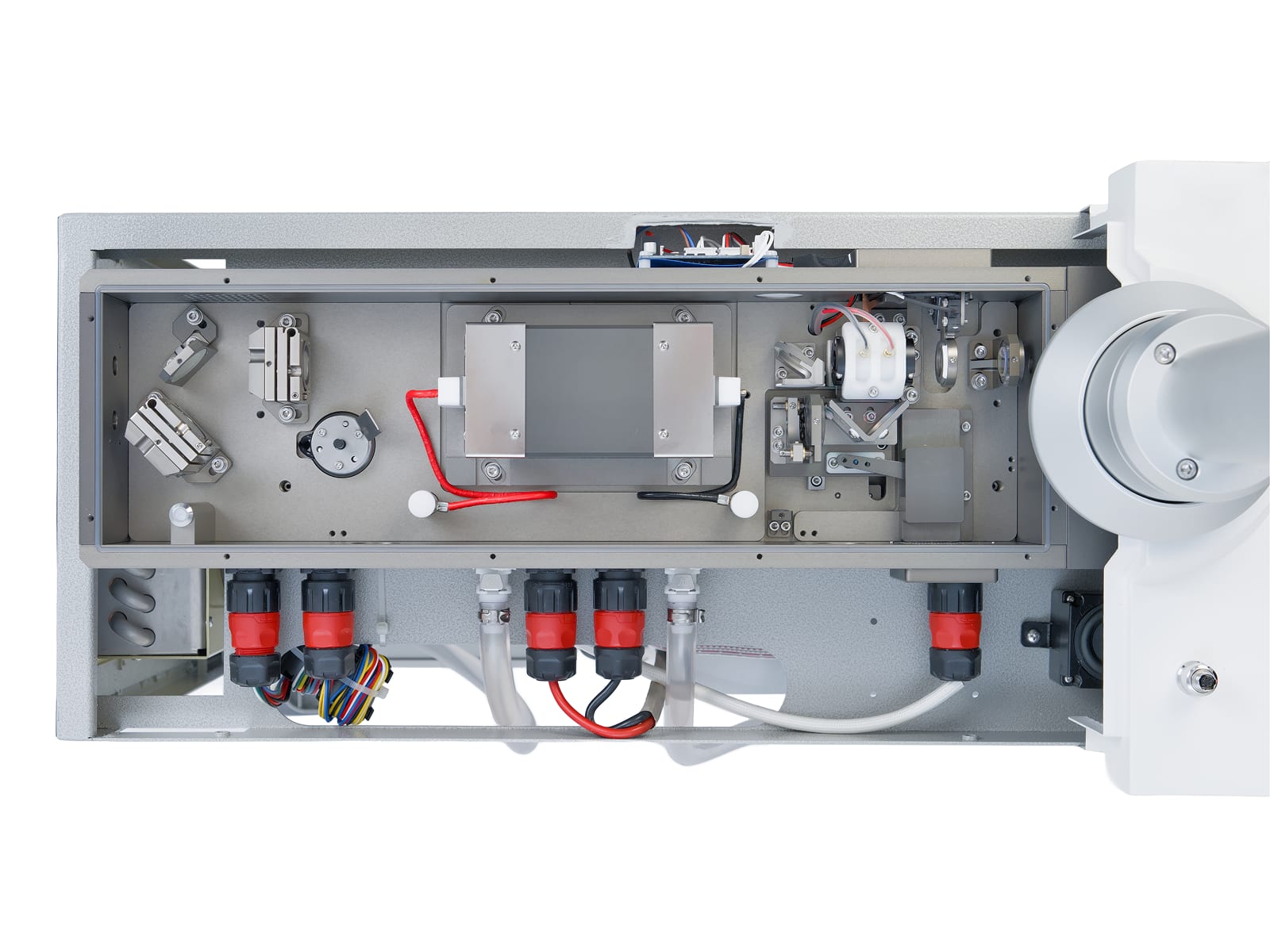
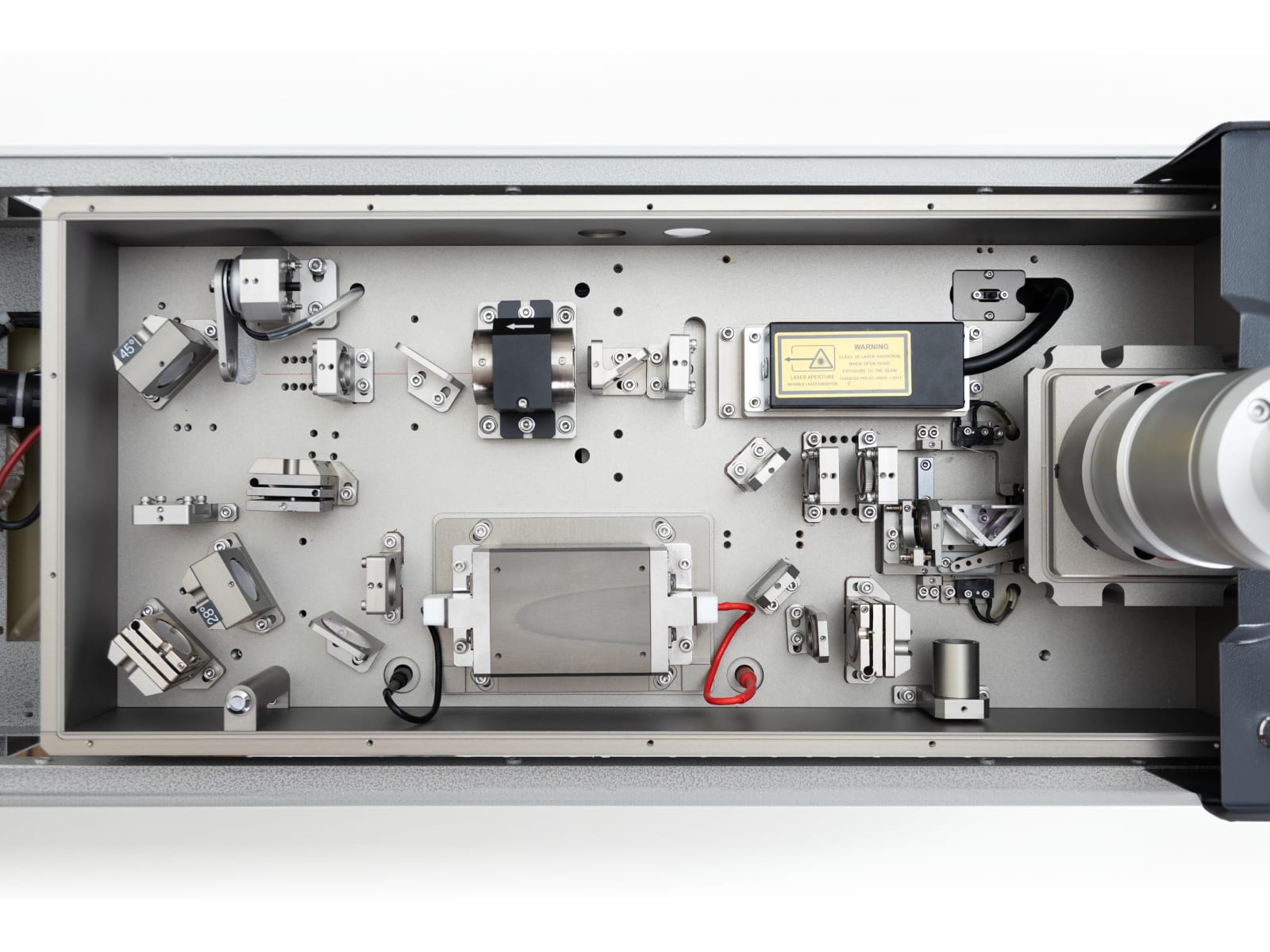
Nanosecond laser
Simpler layout- A standard Q-switch oscillator generates the pulse directly
- No additional pulse-amplification stages
- Fewer optical elements in the beam path
Picosecond laser
MOPA layout- An oscillator plus cascaded amplifiers compress the pulse down to picoseconds
- More mirrors and amplification stages in the beam path
- An elaborate architecture that cannot be hidden inside a simple Q-switch body
Ask to see inside
Ask for photographs or the optical schematic of the device. A genuine pico has an elaborate arrangement of mirrors and amplifiers that cannot be hidden inside a simple Q-switch body.
Check the technical documentation
Ask for the optical-path schematic or documentation confirming the MOPA architecture (an oscillator plus cascaded amplifiers). The absence of such documentation is a warning sign.
Parameter comparison
Nano vs Pico
| Parameter | Nanosecond laser | Picosecond laser |
|---|---|---|
| Pulse duration | ~1–10 ns (10⁻⁹ s) | 300–450 ps (10⁻¹² s) |
| Dominant mechanism | Photothermal (heat) | Photoacoustic (shock wave) |
| Size of the shattered pigment particles | Larger fragments | Fine dust (cleared more easily by the body) |
| Typical number of sessions | More, depending on the pigment and its depth | Usually fewer, especially with difficult or stubborn pigments |
| Comfort / irritation | A stinging sensation is possible (more heat) | Less stinging, but noticeable “taps” from the acoustic wave |
| Best suited to | Standard PMU, delicate areas (brows, lips, eyelids) | Deeply seated pigment, old or stubborn tattoos, designs that stalled under nano |
| Indicative market price* | Lower, a wide range of offers | High, realistically from around 250 thousand zł upwards for certified equipment |
A practical guide
5 things to check before you buy
The market is full of devices labelled “pico” that are in reality nanosecond lasers with an attachment or altered software. Here is how to check.
Check the certificates
Look for the declaration of conformity, the MDD certificate, CE marking, registration in EUDAMED and URPL, and the UDI number. The absence of these documents is a warning sign.
Verify the real pulse power
Ask for a report on power and beam-stability measurements, confirmed with an external meter. Fluctuating energy means a risk of burns.
Treat the price as a risk filter
A certified picosecond laser is an investment from around 250 thousand zł upwards. A “pico” offer below that figure is almost always a nanosecond laser named pico.
Check the VAT rate
A certified medical device in Poland carries the 8% VAT rate instead of the standard 23%. The rate alone is no proof of pico technology, but its absence on a high-priced device should prompt questions about the equipment’s legal status.
Ask for a live demonstration
A genuine pico produces palpable “taps” from the shock wave, not just heat. Test the equipment yourself before you decide to buy.
Red flags
Certificates, device class and legal status are a subject of their own. Eight questions, four of which you can verify yourself in public registers. What to ask any supplier
Pulse power: the easiest place to manipulate
The device screen shows whatever the seller wants it to show. One thing counts: the real pulse duration (350–450 ps), confirmed by an independent measurement, not the number on the display.
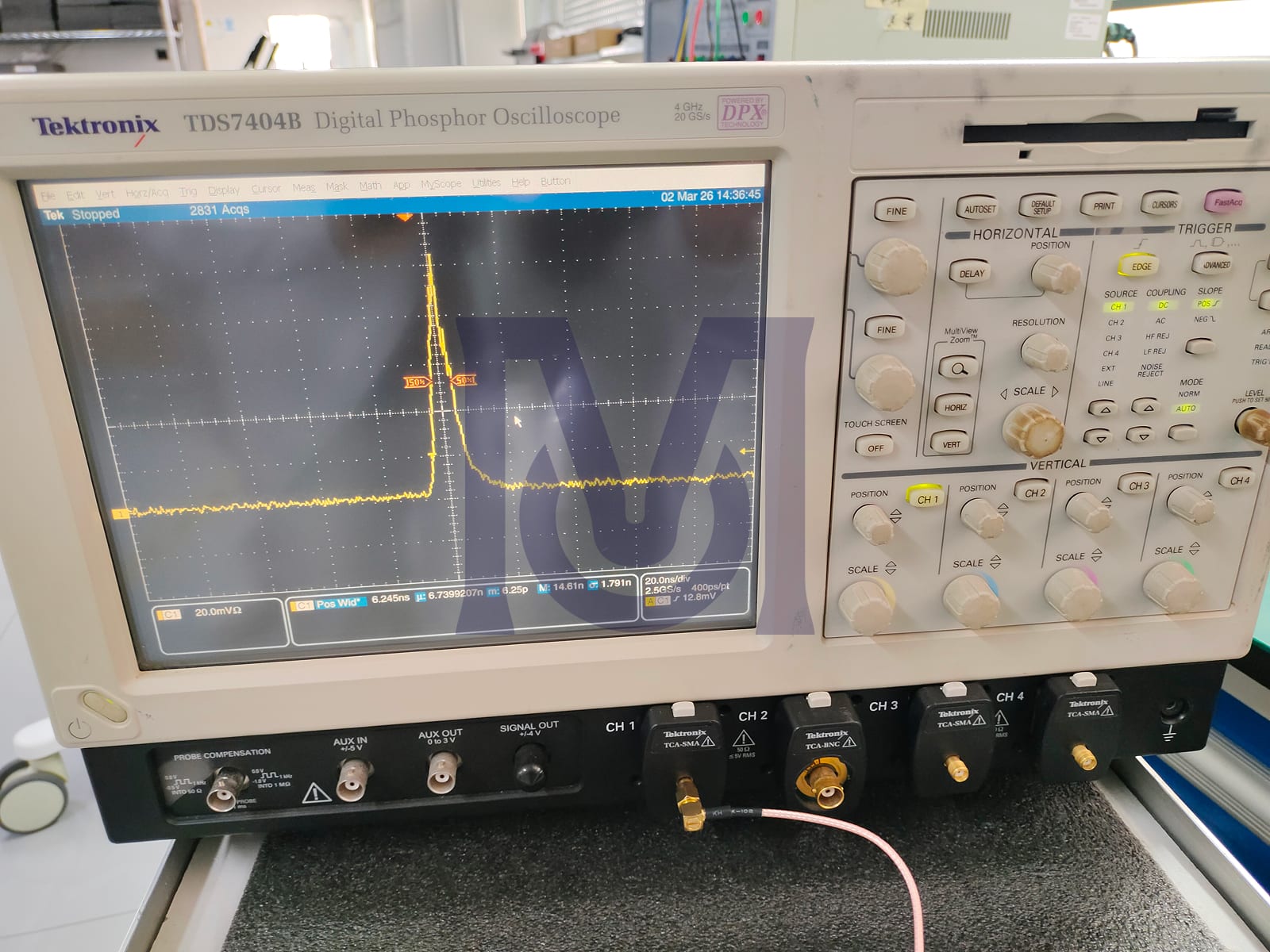
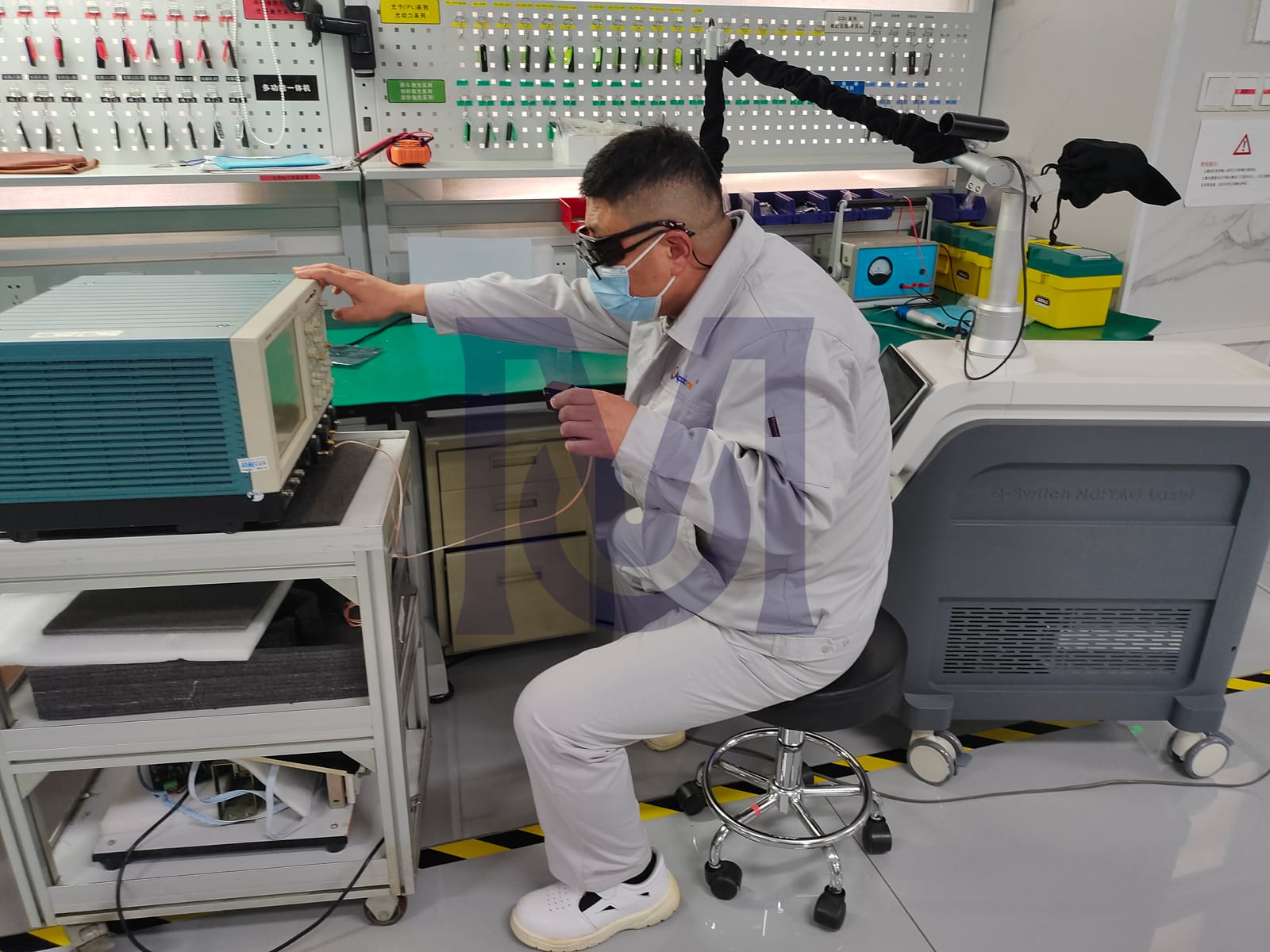
Ask for the measurement report
Ask the seller for a report confirming pulse power and beam stability, measured with external equipment. A genuine supplier will show you the data without hesitation.
Check the beam stability
If the pulse energy fluctuates during treatment, you risk burning your client. That is a serious sign you are dealing with a fake rather than a genuine picosecond laser.
At Modestic™ we release measurement data confirmed by external methods on request, without excuses.
Red flag: the seller avoids showing measurement reports or falls back on “trade secrets”. A genuine pico has nothing to hide.
Questions and myths
Frequently asked questions
Short, honest answers to the questions we hear most often.
Summary
Which laser should you choose?
Choose a nanosecond laser if:
A proven market standard
- You work mainly with PMU and light, small tattoos
- Precision on delicate areas matters to you (brows, lips, eyelids)
- A lower cost of entry counts for you
- Remember: it usually takes more sessions than pico, so it is worth discussing that with the client up front
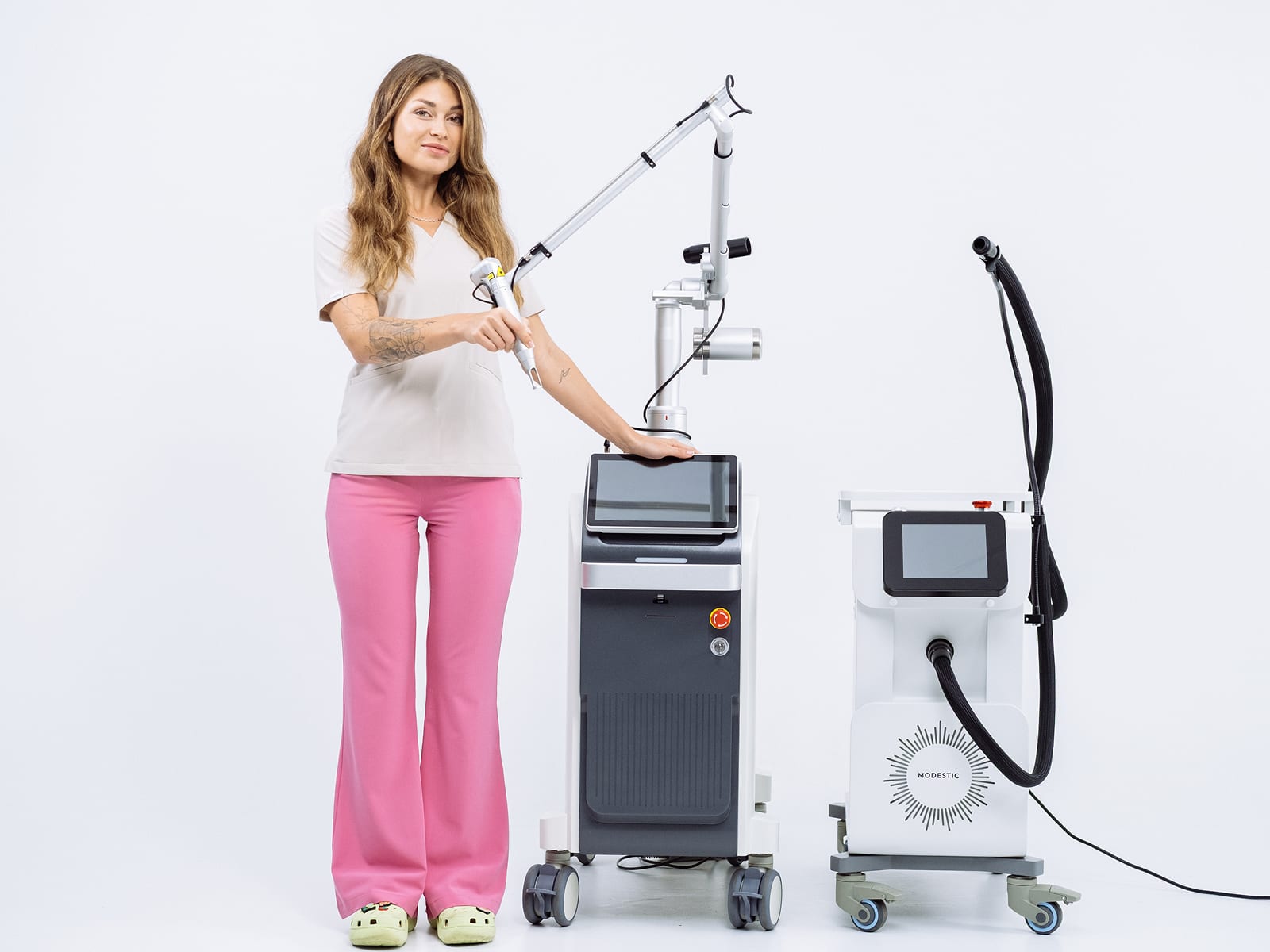
Choose a picosecond laser if:
Premium standard
- The newest technology on the market: advanced MOPA systems, certified medical equipment
- It copes where other lasers stall: old, dense, deeply seated tattoos
- It also proves itself on PMU brows and eyeliner: stronger pigment break-up means fewer sessions than with nano
- It breaks pigment apart more finely than nano, so the body clears it more easily and faster